
bout de papier, Vol. 11, No. 4 / Vol. 12, No. 1 (1995) — Spring 1995 // Printemps 1995, pp. 10–14
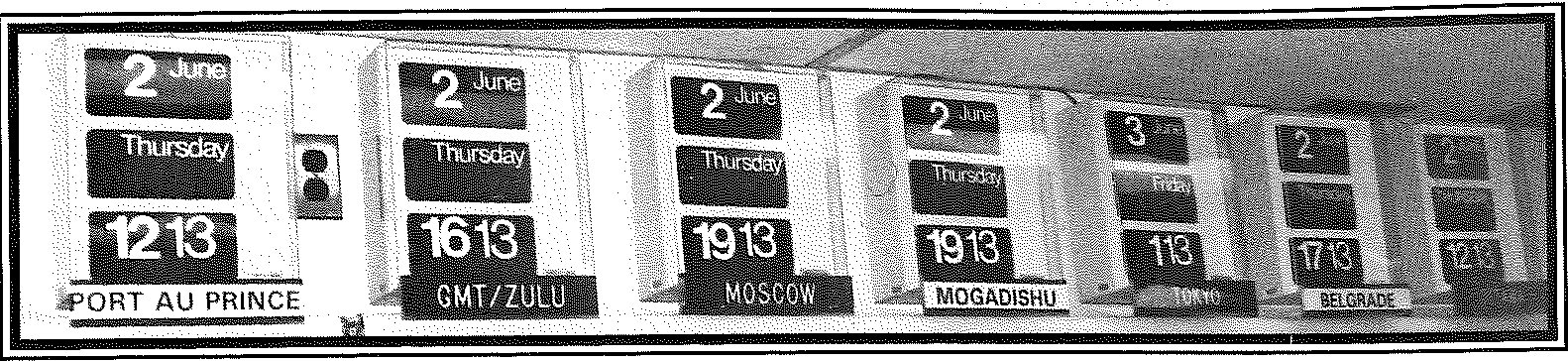
It is a clear, cool 00:01 night in Ottawa. The Lester Pearson Building, home of the Department of Foreign Affairs and International Trade, is a massive black shadow on the backdrop of an inky night. The four unequal towers of the Pearson Building look imperturbable and silent.
The Watch Office is brightly lit. The new watch officer reports for duty. A bank of clocks line the top of one wall. Midnight in Ottawa makes it noon in Tokyo, one o’clock in the afternoon in Delhi, six in the morning in London, seven in the morning in Moscow, and midnight in Washington. The glow of CNN flickers in a room crammed with machines carrying Reuters and AP press feeds.
The watch officer is now the voice of the department. He monitors telegraphic traffic and the press wires; he responds to consular and all quiet hour calls; and he liaises with posts and other Operations Centres in Ottawa, notably that of National Defence. A communications operator is working the graveyard shift in the Communications Centre (Comcentre). He too starts at midnight. He is alone today as his partner has booked off sick. Throughout the night, he will monitor incoming communications to the department. The Comcentre runs 24 hours per day, 7 days a week.
The watch officer drops by the Comcentre. He will not be down for another few hours unless there is a “high precedence” message. Then he must decide whether the message can be left for the morning or delivered immediately to a foreign service officer at home.
A woman from California calls, “How long it takes to renew a Canadian passport?” The Canadian High Commission in Kenya reports, “We just heard that the convent of the Soeurs du Bon Pasteur was attacked by an armed Hutu militia. All the Tutsi nuns have been killed. We are trying to locate the Canadian sisters.” It is noon in Islamabad and the Canadian High Commission in Pakistan has not received a promised secure fax on Canadian nuclear policy. At three in the morning, CNN reports an earthquake in Java in Indonesia. The Watch Office phones Jakarta. “We just saw the report on television. Can you check to see if there were any Canadians in the area.”
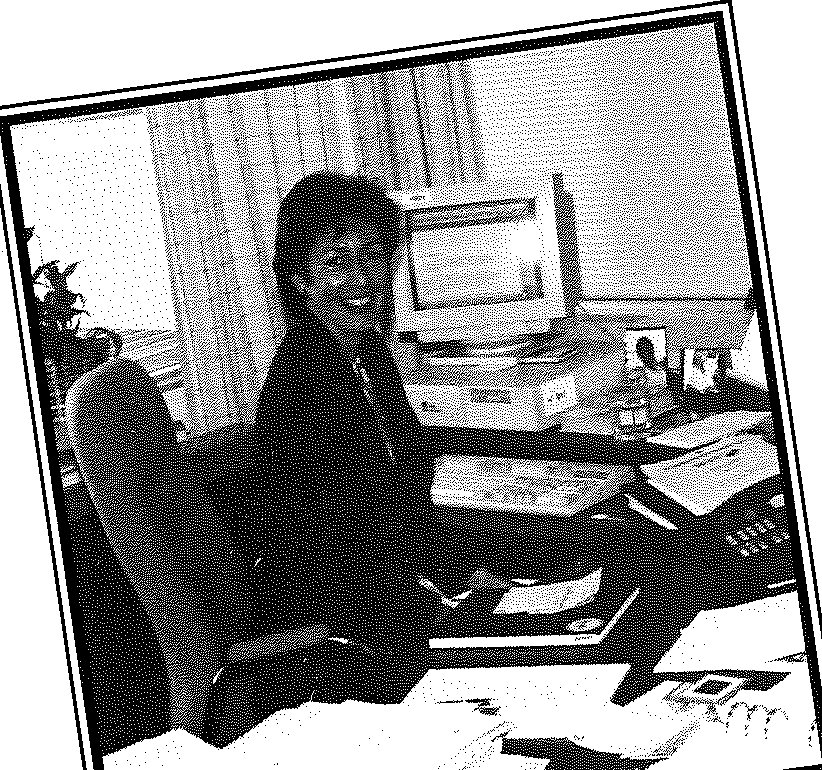
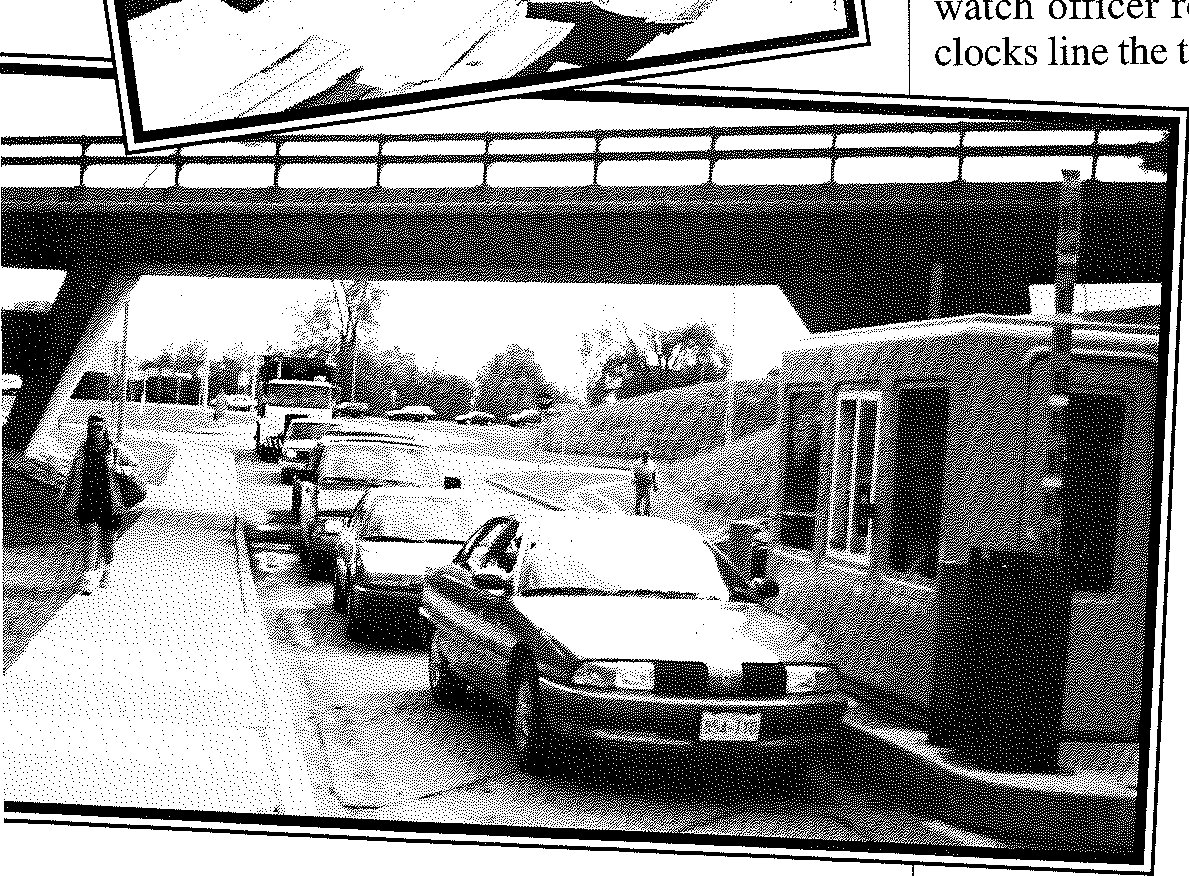
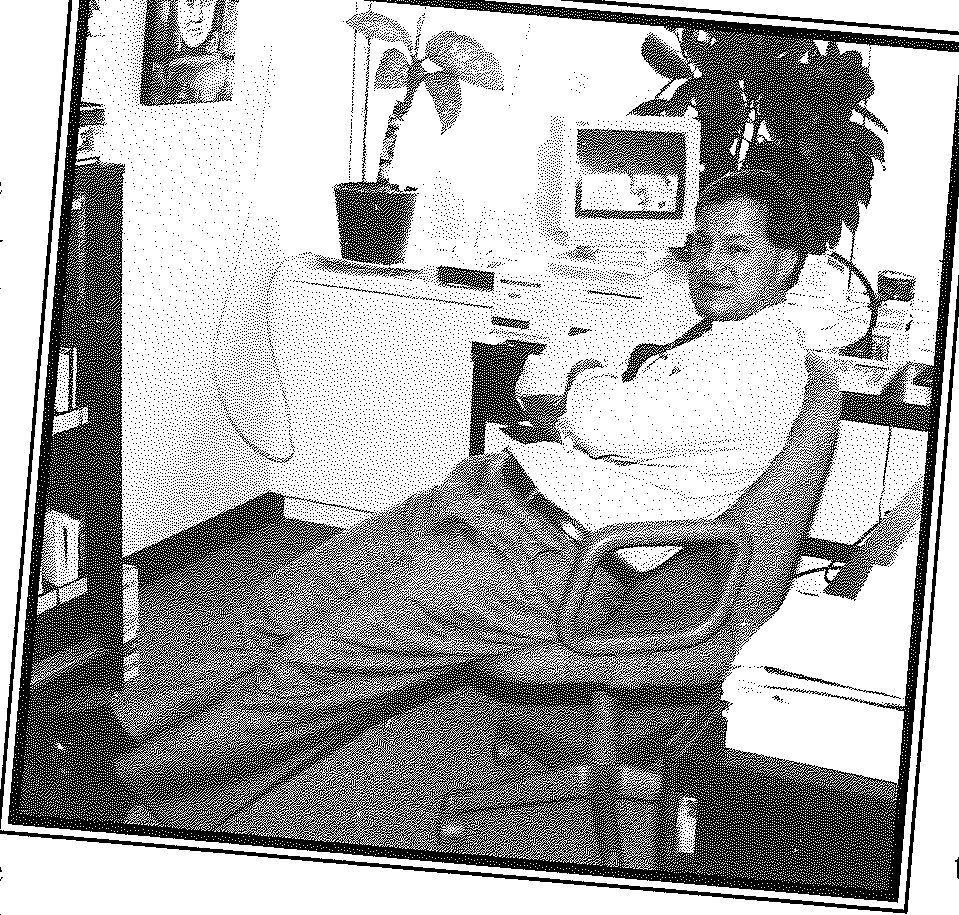
The communications operator checks the direct telegraphic link to the NATO Allies Communications System. Normally there is little activity on this circuit during the night shift. Tonight there is an “immediate message”. It is related to Canadian peacekeepers in Bosnia. The Globe and Mail five page synopsis of the day’s news is received by fax from Toronto. The Operator sends it to Canadian missions around the world. He scans the synopsis quickly. “A number of stories here will keep the Department on its toes today.” He sees articles on a Canadian Hercules aircraft shot at in Rwanda while delivering humanitarian assistance, an article on the fisheries situation off Newfoundland, fighting in Bosnia, North Korean nuclear facilities, and American threats of invasion of Haiti.
Three key communications links are lost and restored by the MITNET Command Centre through the night: Jakarta because ot operator error at the Earth Station in Indonesia; Moscow as the result of heavy rains; and Delhi.
As dawn approaches, the “Tel Pack”, ’ the early morning newspaper of the department, containing the overnight reporting from Canada’s network of missions abroad, is prepared for delivery. It is “must” reading for all divisions.
03:00 The Department Mobilizes
An assessment officer arrives in the Watch Office to put together the two page Morning Brief, the digest of overnight developments. It is prepared from intelligence assessments, mission reports, wire stories, and information from the Operations Centre of National Defence. Today, National Detence reports, “Headquarters is anticipating a request for a mechanized company in Bosnia to go to beleaguered Gorazde. Also, the UN has asked us to extend the operation of the CAF Hercules flying relief into Rwanda.”
The Pearson Building is springing to life. The staff of the Cafeteria arrive at six o’clock to prepare for the day. The menu today is fish chowder, roast lamb, stuffed pepper or hamburger. The Mail Room is ready to mail documents to over 111 missions and other government departments. The Printing Office will run off briefing books of Department publication. The Corps of Canadian Commissionaires will maintain security in the Building.
The Departments on Alert
DFAIT and CIC are on high 00:00 alert. Ministers have to be prepared to respond to the press and to Parliament on the international political, trade, economic and immigration issues which have happened overnight. The Morning Brief is distributed. It covers events in Haiti, North Korea, Bosnia, Yemen, the UK and Iraq. The previous evening’s newscasts, CBC’s World at Six, Canada AM, and the morning papers, the Globe and Mail, Le Devoir, La Presse, and The Ottawa Citizen highlight many of the same issues.
The Ministers’ Offices
The “tenth floor”, the convenient designation for the Ministers’ offices in the DFAIT, is alive with action as is the Immigration Minister’s office in Hull.
The political staff — a senior policy advisor, a number of junior advisors or speechwriters, constituency people and a scheduling person — are mobilizing to make sure the Ministers are prepared for the often hectic schedule of meetings and the enormous variety of issues they must consider. The legislative assistant is poring over the news and overnight reports. It is his task to put together a daily briefing book that contains answers to the literally hundreds of potential questions that can be posed in Question Period in the House of Commons.
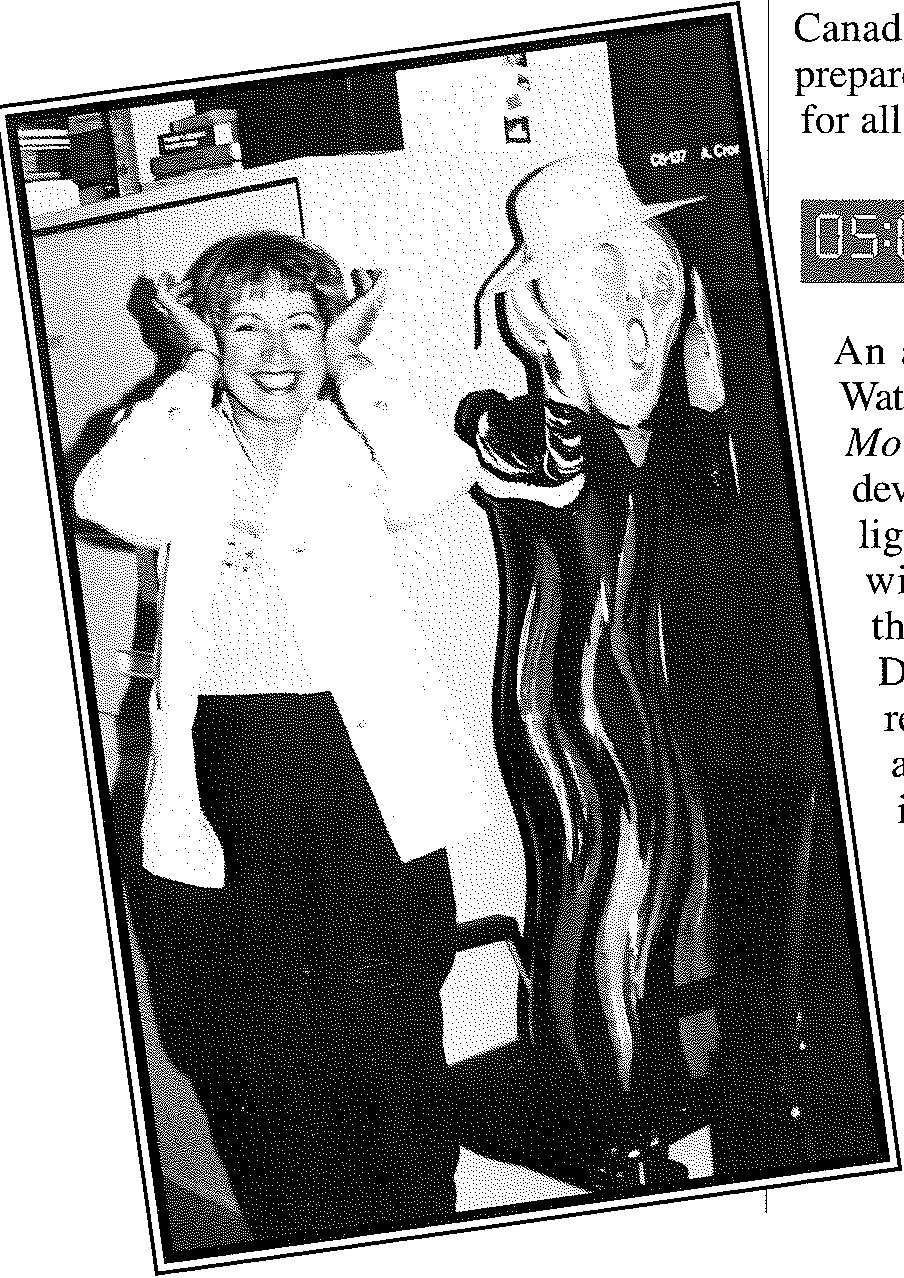
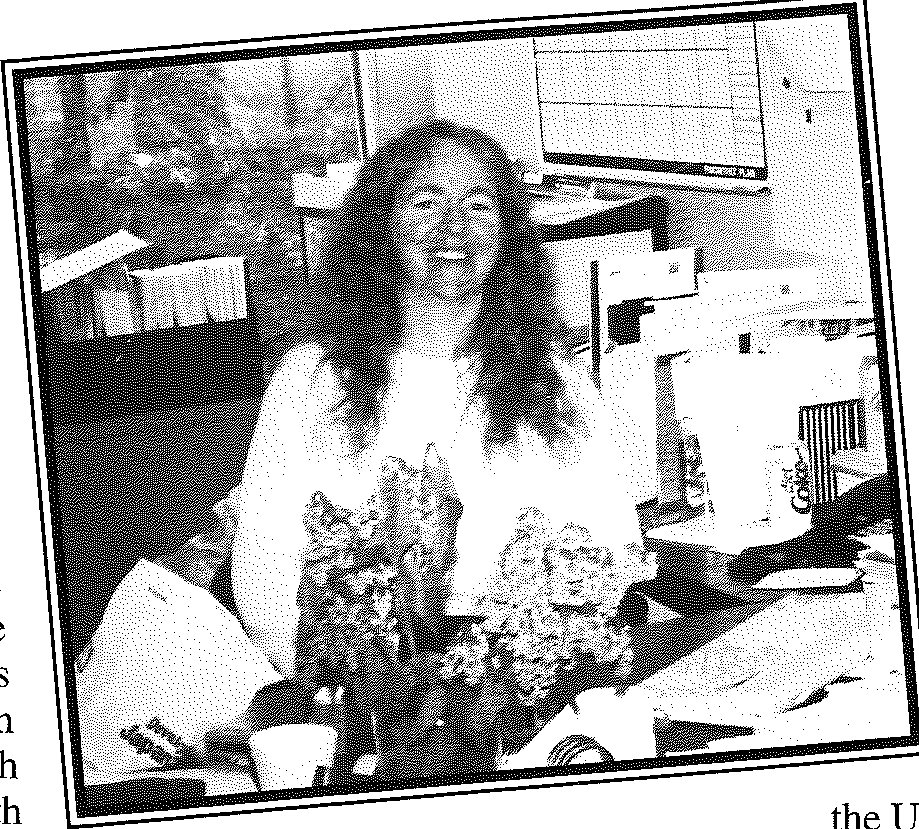
The senior departmental assistant, who is responsible for moving the department’s business in the Minister’s office, is reviewing the Ministerial Night File to see if the Minister has taken any decisions overnight. He thinks, “Ahh, a decision on the opening of free trade negotiations with Israel. Africa Branch will be pleased with this.” The press secretary, who is the spokesman of the Minister and the department, is meeting with the legislative assistant to discuss likely issues for Question Period. “Yes, I think the fisheries issue will play big in the House today.”
The Deputies
The Deputy Minister for International Trade is meeting with his executive assistant and the senior departmental assistant. With Minister MacLaren in London, the atmosphere is relaxed. If the Minister was in town, the Deputy would be meeting him at least two or three times during the day. They talk briefly. “The frigates tour for the Canadian navy in Asia should be a good opportunity
12 bout de papier to raise the profile of Canada. We must make sure our Asian missions make it a part of their trade efforts.’ Down the hall, the Deputy Minister for Foreign Affairs is also reviewing his day with his executive assistant. He will chair the Ops Committee in fifteen minutes. Then at nine, he will brief Minister Ouellet for a Cabinet meeting. At eleven, there is the Graduation Ceremony for the new Foreign Service Officers. In the afternoon, his big preoccupation will be a briefing on the arrangements for the Naples and Halifax Summits. As the Canadian sherpa to the G-7 Summit, he is the personal representative of the Prime Minister in the preparation ty of the annual G-7 Summits. For now, the biggest worry is the talking points for the Minister for the Cabinet Meeting. His face betrays his impatience. His management advisor has not yet arrived. Just before eight thirty, she arrives, her red coat signalling her presence as she steps off the elevator. Quickly besieged while opening her office, she opens her briefcase and gives the notes to the Deputy.
Meanwhile at Citizenship and Immigration, the Deputy Minister is meeting with Minister Marchi.
’There is this last minute visit of the US Ambassador to the United Nations. The US wants Canadian assistance in receiving some of the Haitian refugees fleeing on the rafts. You also have a meeting this afternoon to discuss your visit to Russia, Hungary and Italy. Finally, Minister, I want to alert you to an appeal in the Federal Court on an immigrant application refusal. If we lose, it could put into question the legality of the Immigration Act.”
The Ops Committee
The Operations Committee (Ops Committee) is the high mass of DFAIT’s senior management. It is a daily ritual. It highlights the major issues of the day and priorities for the coming weeks. Today, as usual, the Assistant Deputy Ministers file into the large conference room. Some carry files under their arms, some a pad of paper. It is chaired briskly and brusquely in the fashion of the Spanish Inquisition. The Deputy takes his place at the centre of the large oval table. At one end of the room stands an Art Deco podium for formal presentations.
The Deputy Minister for Foreign Affairs is in a rush. He must leave early to brief Minister Ouellet in his House of Commons office at nine. He starts the discussion. “The Prime Minister does not like last minute walk-on items in Cabinet. Consider yourselves informed.” Each ADM takes a turn outlining the breaking issues of the day. “We are monitoring US and European reaction to our new fisheries legislation that gives us the right to seize foreign fishing vessels off our 200 mile zone. The Canadian Coast Guard seized two more American shipping vessels off Vancouver Island. They will be fined $1,500. The Pacific Salmon debate will liven up, no doubt. We can expect something from the State Department” “The Joint Parliamentary Committee on Foreign Affairs and National Defence’s review of Canadian foreign policy is really focusing on Asia-Pacific. Looks like we’re going to have to close down Europe” “The fifth anniversary of the Tiananmen massacre is coming up. We are preparing speeches for the Minister and Secretary of State Chan for the House. The issue should be manageable. As well, we are consulting with the Americans and the International Atomic Energy Agency on what are the next steps on our concerns that North Korea is diverting plutonium to make nuclear weapons.”
“Severe fighting in Yemen and Rwanda. An issue of real concern in Rwanda. Canadian sisters have disppeared. We are making it our highest priority. Also, the UN has asked us to extend our humanitarian flights to Kigali, despite the shooting on a Canadian Hercules yesterday by government troops. We are examining the options with Defence.”
“We are meeting with the Chileans in Mexico about the possible extension of the North Amercia Free Trade Agreement. As well, we will be following up with Washington on the agricultural negotiations. The Administration looks like it is willing to make Canadian wheat a sacrifical offering to the Congress.’ “Minister MacLaren is in London today. PM’s trip looks good. All preparations are finished for the D- Day celebrations. Looks like we got a good media event in front of Buckingham Palace with the Royals. Also a good article in the Financial Times today, about the importance of recent UK elections on EU integration.” “Serbs are breaking the ceasefire in Bosnia but the Moslems seem confident enough that Americans will side with them. The Canadian peacekeeping contingent is not in any new danger. The UN is asking our troops to move up on relieve Gorzade.” “The Don Johnston candidacy for the OECD is entering a critical phase. We are setting up meetings between Ministers Ouellet and Minister MacLaren and their European counterparts at the OECD and NATO ministerial meetings”.
“We have meetings with President Aristide in Washington today and with the UN “Five Friends of Haiti” in New York today and tomorrow. After that, we should have a better reading of how President Aristide views the impact of sanctions on the military rulers and whether he favours a deadline for an international invasion” Just as the Haiti debrief ends, the Deputy Minister of Foreign Affairs excuses himself to head for the Minister’s West Block office. The meeting soon comes to a quick end.
The ADMs disperse. They carry the marching orders of the day and the priorities for the coming weeks back to their respective branches.
The Press Office
Philip Graham, late publisher of the Washington Post, defined the news as “the first draft of history”. The morning “heads up” meeting with the Press Office and the Minister’s press secretary is taking place. The discussion focuses on the likely issues of interest to the press and the approach to be taken. “The Minister will be asked about our peacekeepers in Bosnia and the missing sisters in Rwanda. We will need the latest information throughout the day.”
The Press Office
Officers in the Office are visiting or phoning divisions, providing them with clippings, and obtaining updated press lines. “Have you anything more on the Canadian nuns? What is Canada going to do if the US asks for economic sanctions on North Korea?” “Can I say anything about our meeting with Aristide in Washington?” ’There is a rumour that Canada will start up our aid program to Cuba. What can I say on the issue?” Media officers subscribe to songwriter Paul Simon’s advice that “Improvisation is too good to be left to chance…”
The Divisions in the Trenches of Foreign Policy
The Ministers’ Offices
, the Press Office and the “eigth floor” (the name given to DFAIT senior management since most Deputies and ADMs have their offices there) are now generating an early morning bombardment of the divisions on the front lines of Canadian diplomacy. All divisions in both departments are busy preparing Questions and Answers for Question Period, notes for ministerial meetings of the day or coming week, policy notes to senior management and media lines for the press office. There is a very quick turnaround time. June 2 is well launched.
View the original scanned pages →
Originally published in bout de papier, Vol. 11, No. 4 / Vol. 12, No. 1 (1995) — Spring 1995 // Printemps 1995, pp. 10–14. Read the rest of this issue →



