
bout de papier, Vol. 14, No. 1 (1997) — Spring 1997 // Printemps 1997, pp. 17–19
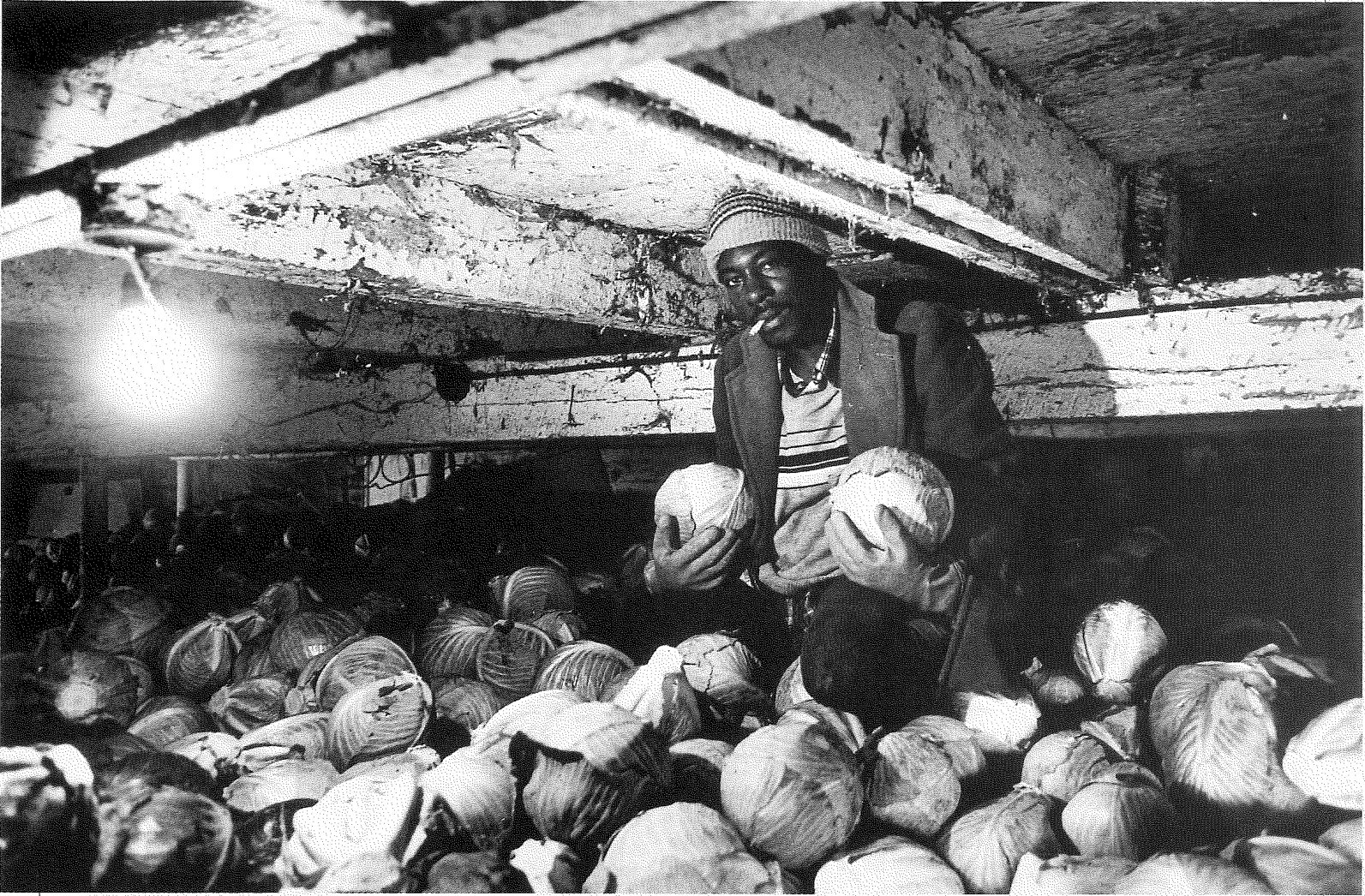
“Is it true that in Canada people throw things away?” I was asked during one of my visits to Monte Prieto, a small rural community for some 400 families near the city of Acambaro in central Mexico.
Harvest Pilgrims was shown at Harbourfront, in Toronto, in 1994 and in the Pinacoteca José Antonio de las Cuevas, in Puebla, Mexico, in 1994. In late 1996, it was exhibited at the Canadian Embassy in Mexico City and in February 1997 at the Scotia Bank in Port of Spain (Trinidad). From March until May 1997, it will be shown at various galleries in Kingston, Jamaica.
I had travelled to Monte Prieto from Toronto to photograph and interview some of the men I had previously photographed in Canada where they work as seasonal farm labourers, part of that great flux of migrant workers the world over who move with the seasons.
That question about the luxury of waste in the North took me back to a cold, wet November day a few years earlier, in an apple orchard near the shores of Canada’s Georgian Bay. I had been photographing Jamaican migrant farmworkers, who were under pressure to work in the rain in order to bring in the harvest before serious frost set in. All morning I had been desperately trying to avoid stepping on luscious McIntosh apples littering the around, an astonishing sign of abundance.
When Bob Winters, the grower, realized my predicament he smiled wryly and reassured me: “Don’t worry about stepping on them! They’re only ‘grounders’, and I’ll be ploughing them under in a few days.” His priority, he explained, was to pick the apples still on the trees, a delicate task given to his crew of trusted Jamaican workers. He added that local people simply were not interested in jobs picking apples as it required stooping all day long under cold November skies. He invited me to help myself to as many grounders as I could fit in my car; I happily obliged
So in Monte Prieto where nothing comes easy, I explained that we don’t just throw away “things” in Canada, sometimes we even throw away good food.
Rich industrialized countries which have retained their agriculture sectors depend on migrant workers to come and do the repetitive, discomfiting farm tasks eschewed by those born in the North. Referred to by Canadians as off-shore workers, these guest farmworkers are like migratory birds, arriving quietly in the spring, and leaving again in the autumn. Some 12 000 individuals come, on pre-approved arrangements, from Mexico, Jamaica, and the smaller island countries of the Eastern Caribbean, such as Trinidad and Tobago, Barbados, St. Lucia, St. Vincent and the Grenadines, Dominica, Antigua and Barbuda and Montserrat. They work mostly in the farm communities of southern Ontario, known as the fruit and vegetable basket of Canada.
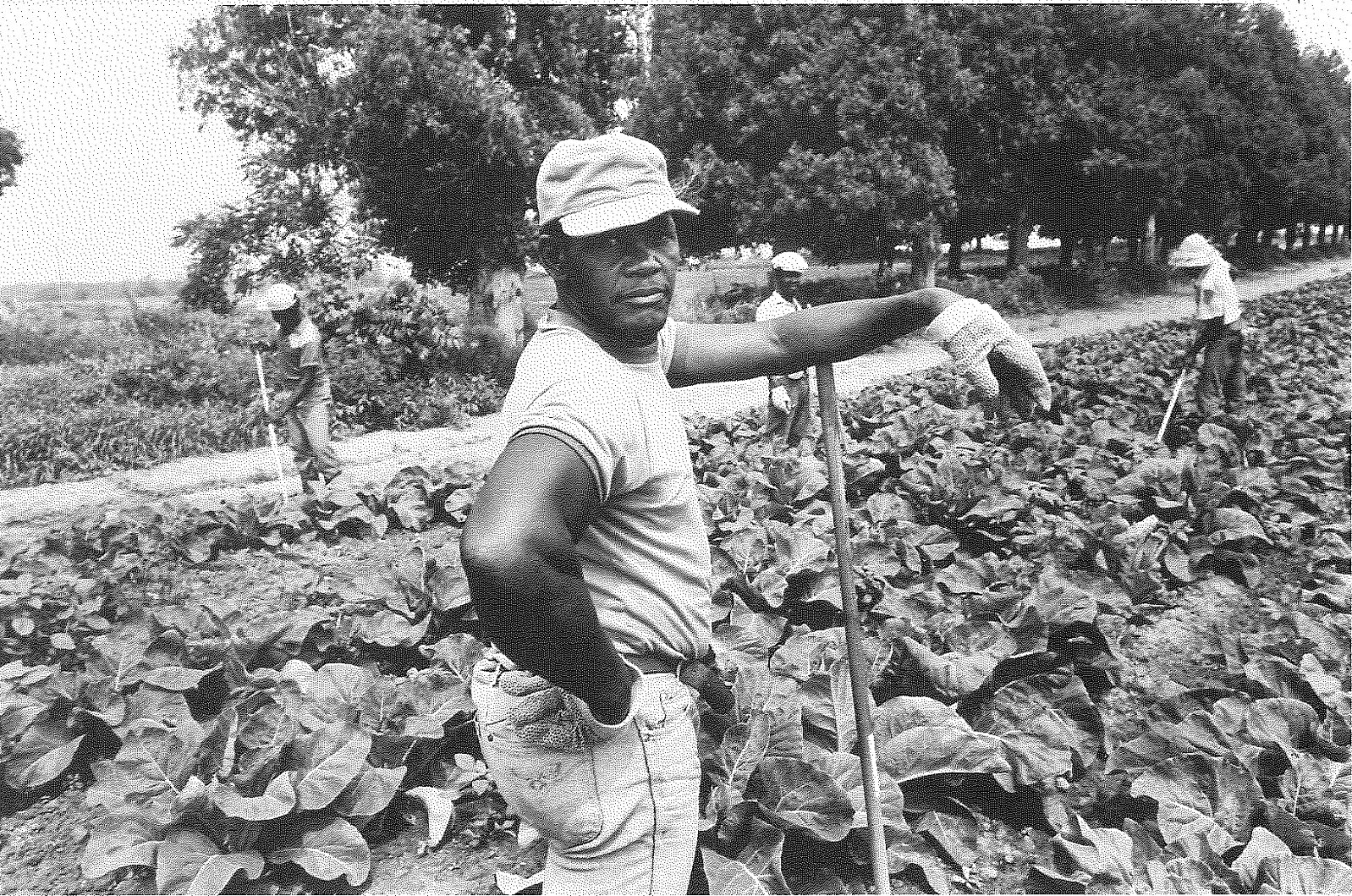
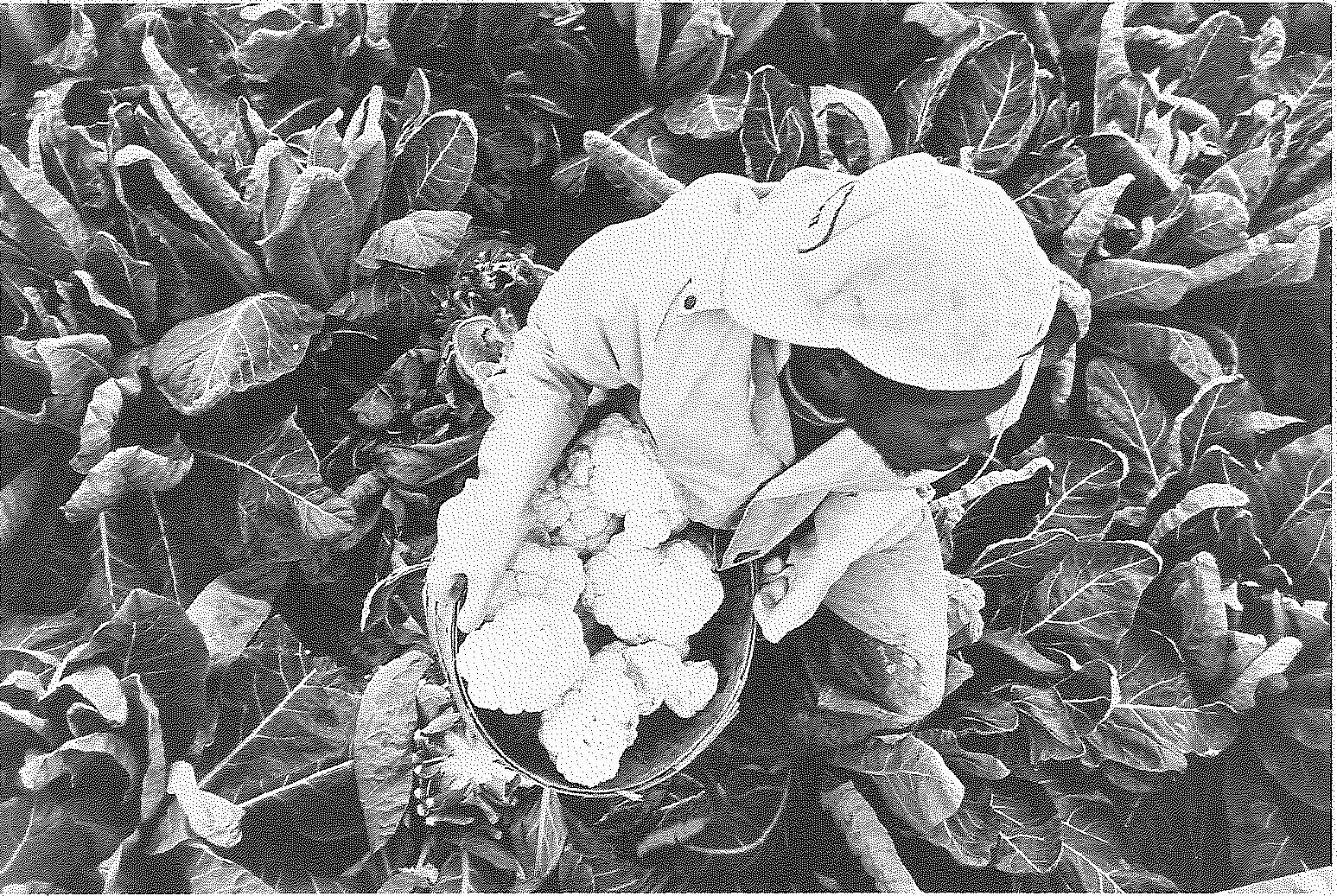
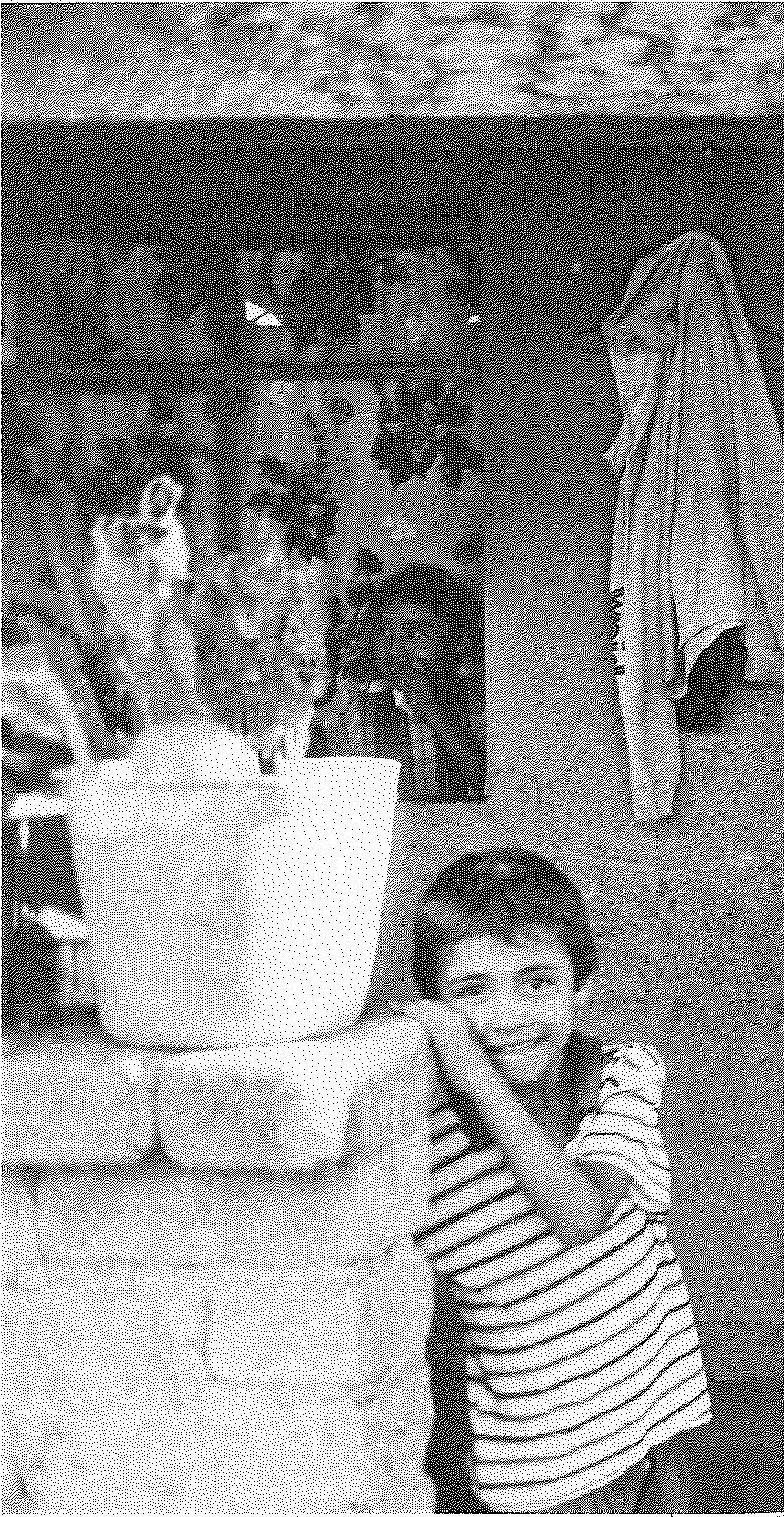
Eager and vulnerable, the workers are carefully selected back home by visiting Canadian officials. Brawn and youth are what is needed. Often they are the strength of the communities they leave behind. On the Canadian farm, they live in virtual isolation from the nearby community, except for the weekly trips to the local shops for supplies. They have a contractual obligation to work for a particular farmer, and they are naturally dependent on that farmer for almost everything. As guest workers, they may not travel anywhere without permission from Canadian authorities, and are not free to look for work on any other farm. If an individual is unhappy with his job, he has no choice but to endure it. If he walks away, he becomes an illegal immigrant, is subject to deportation, and forfeits his chances of ever returning to Canada. But very few of central Canada’s guest workers walk away, for they feel fortunate to work in Canada. When they return to their villages, it is they who feel in control. They now have money to show, gifts to give, and stories to tell. They quickly attain a new status, improving their houses and filling them with consumer goods purchased in Canada.
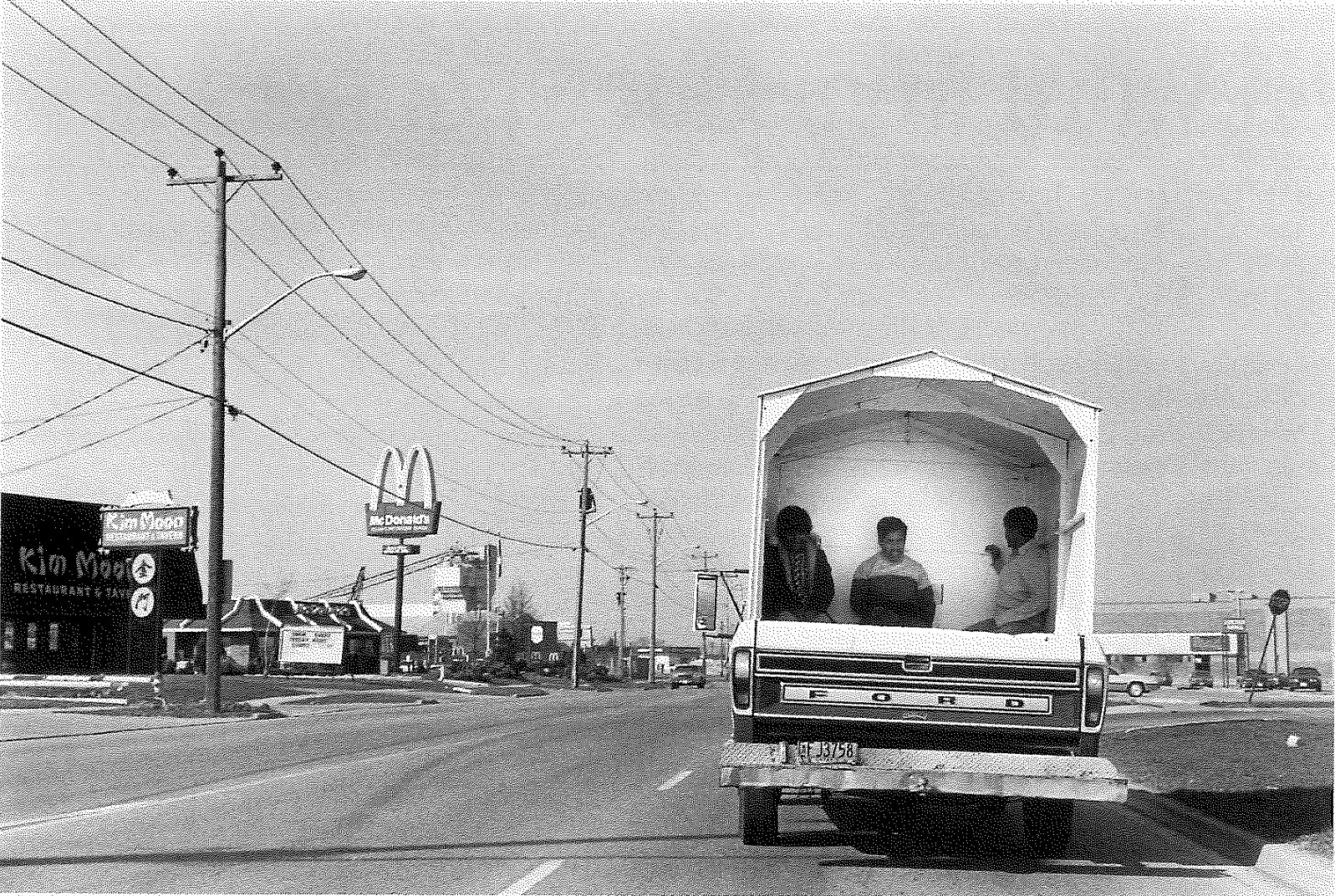
But in an ironic twist, they discover that in order to maintain that higher status, they must fly North every year. Having left that first time, migration becomes self-perpetuating. Each time they return home, the migrants find that they belong a little less
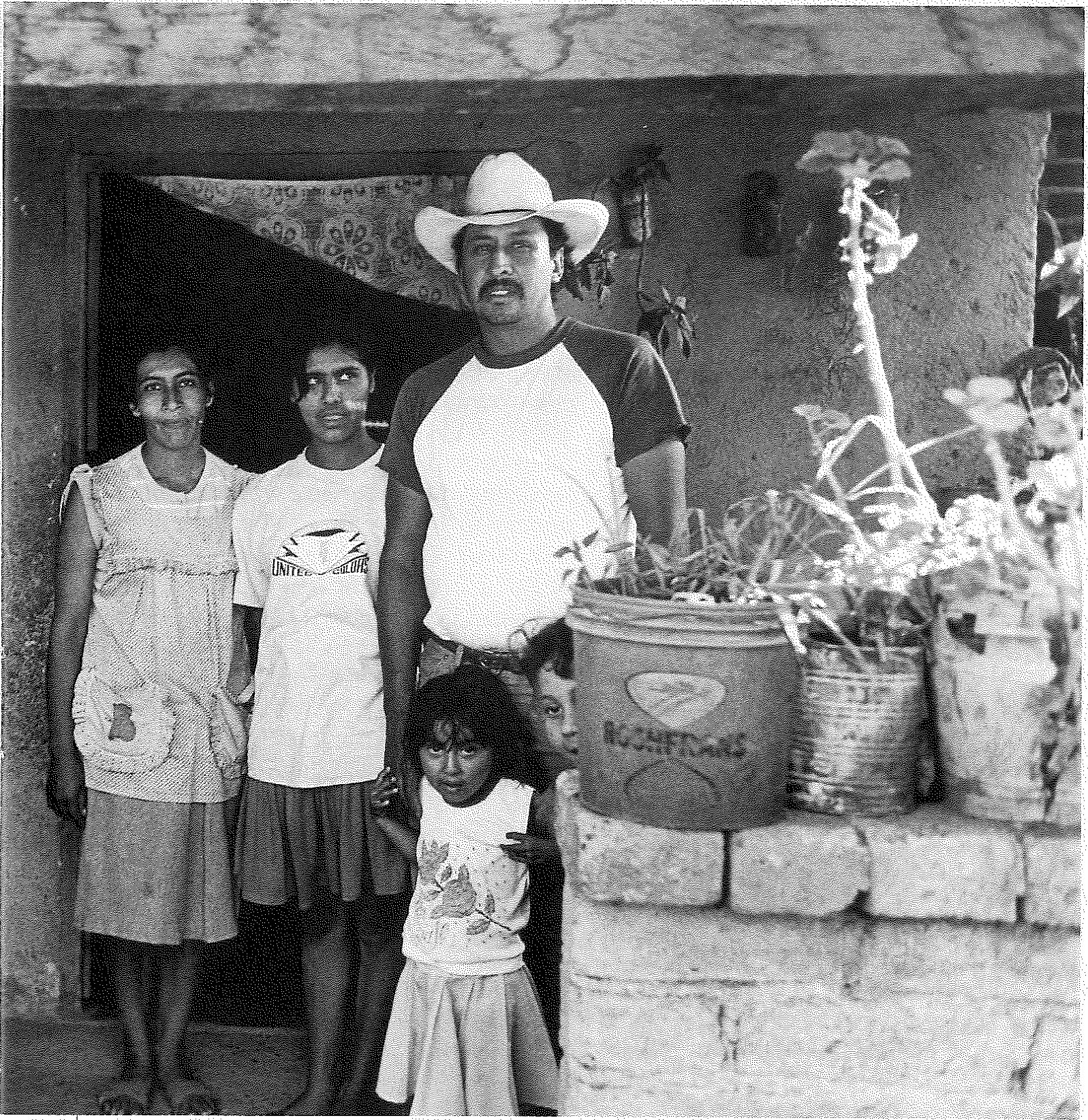
Manuel González, whose farm I visited in Monte Prieto, told me he always brought back to his family in Mexico some of the bosc pears he helps grow and harvest in Canada. His family always marvels at the (chemically induced) size and perfection of the Canadian fruit, with little understanding why the fruit they grow is never as big, never as perfect.
With the remittances the men send home, the family’s material life can improve. But being apart from family for months on end is hard for all concerned. Last year as I helped myself to some of those pears, I couldn’t help but think of the sad words spoken to me in Mexico by Manuel’s sister Beda: “Cuando los hombres se van para el Norte (USA) o para el Canadá, nosotras tenemos que hacer de hombres y de mujeres.” (When the men go to the United States or Canada we, the women, have to be both husbands and wives, fathers and mothers.)
View the original scanned pages →
Originally published in bout de papier, Vol. 14, No. 1 (1997) — Spring 1997 // Printemps 1997, pp. 17–19. Read the rest of this issue →



