
bout de papier, Vol. 14, No. 4 (1997) — Winter 1997 // Hiver 1997, pp. 34–37
Everyone who has travelled to any extent has favourite places. All mine are difficult of access — that’s part of what makes them special — but one stands out: a group of windswept islands in the South Atlantic that have always been thousands of miles from anywhere and that, only months after I left their shores, hit the headlines in bizarre, bloody war. In those days — the late seventies and early eighties — you could get to the Falklands on the occasional mail ship from Montevideo. Or there was the even more occasional ship that would come from an Argentine port. My first glimpse of the low, brightly-coloured tin rooves of Port Stanley was a most welcome sight from the deck of an Argentine naval vessel that had been supplying bases on the Antarctic peninsula. It was welcome because the passage across the Drake Strait, passing close by Cape Horn, had been two days of Force Ten winds and cold, mountainous seas that had driven all but the most hardy to their bunks, feeling wretched. bout de papier Vol.
There was an airport, too, served on a regular basis by LADE, Argentina’s military airline. Shortly after landing, and in clear sight of a Union Jack usually snapping in the stiff breeze, the pilot would welcome the passengers to “The Argentine Territory of Las Malvinas” and proudly note that the runway had been donated by the people ofArgentina.
This was not strictly true. Several years previously, a LADE plane had been hijacked over Patagonia by a group of Argentine ultranationalists, who ordered the pilot to fly to the Malvinas. As the DC-3 arrived over Stanley, the entire population of the town (about 600) turned out to gape in awe – there being no airfield, few in the Falklands had ever seen a plane bigger than the rugged Canadian-built Beaver floatplanes that served the remote out-island communities. The desperate pilot, out of fuel, was eventually forced to crash-land on the peat racecourse behind town. The Governor was summoned and rolled up in full regalia, wearing his ceremonial plumed hat in the back of his official car (a plum-coloured London taxi). An uneasy standoff ensued, but one of the passengers — who happened to be Argentina’s heavyweight boxing champion and who spoke English — served as a mediator and convinced the hijackers to give up, there being no prospect of the DC-3 ever taking off laden again. Months later, after the hijackers and passengers had been shipped back to Buenos Aires, the Argentine government kindly offered to put in place a pre-fabricated metal airstrip. It blew away in one of the gales for which the Falklands are famous, and the UK government stepped in and built a proper strip.
Imagine a small Hebridean village on a windy Sunday afternoon in autumn, and you have Port Stanley – on any day of the week. One or two features jar: for example, the huge arch outside the Church, made of sperm-whale jawbones or, scattered around the harbour, the hulks of 19th-century clippers that, anywhere else, would be the centrepiece of a maritime museum. But the Land-Rovers drive on the left. As you walk past Jubilee Villas (1878), a lace-curtain twitches. At Emma’s Bed & Breakfast, Emma sternly warns you that the front door will be locked at 9 pm sharp; you notice that it’s colder in the house than out. At 6 pm Emma turns the radio on and guests must listen solemnly as the chimes of Big Ben ring out. A rubber hot water bottle is meagre consolation when you climb between the clammy sheets, under your turquoise candlewick bedspread. Welcome to Britain.
The Stanley I got to know was quaint or, less charitably, plain bleak. If you didn’t like it, the best plan in those days was to avail yourself of FIGAS and head straight for the “camp” — as anywhere outside Stanley is known.
FIGAS (Falkland Islands Government Air Service) may have been at that time the most user friendly airline in the world: their faithful red Beavers would fly you wherever you want to go, and would advise you (and the entire population of the Islands) of your own personal departure time over Falkland Islands radio. But the service had its limits: if it was especially windy, you had to be prepared to jump off the starboard float into waist-high seawater and wade fifty metres to the beach, or even hold the joystick as the pilot opened his door and threw out the mail from an altitude of 200 feet.
I passed a large part of two unforgettable summers in the Falklands, camping or staying with the hospitable families of children I taught in Buenos Aires. On sunny days in January and February, I would spend long days walking over spectacular, dappled moorland on West Falkland where the only sounds are mournful curlews and the ever-present wind in the tussock grass.
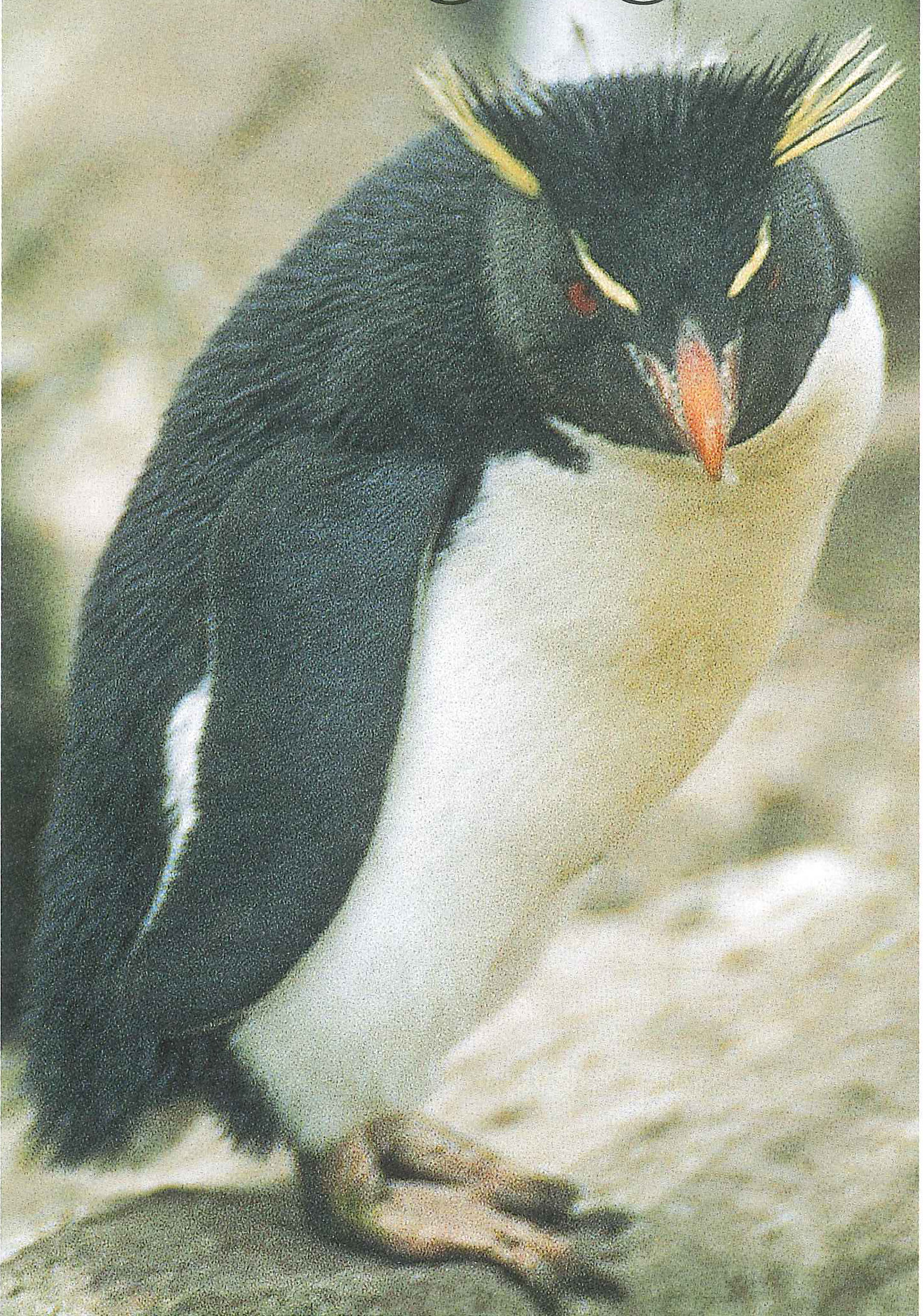
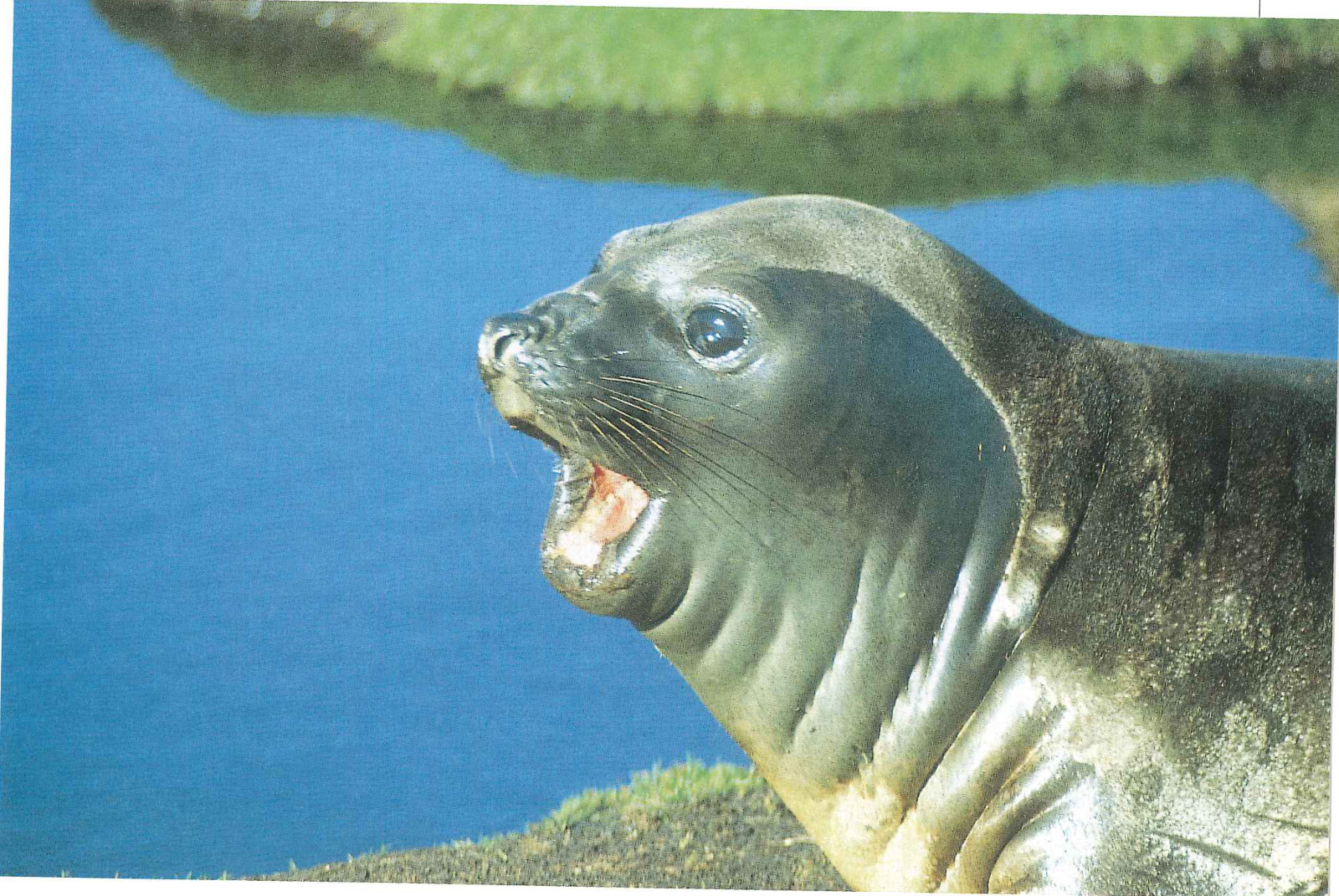
But the highlight is the shoreline. The Falklands are home to the most spectacular range of wildlife outside the Galapagos: raucous, chattering penguins by the million, lumbering and grunting elephant seals, nesting black-browed albatrosses or “Mollymawks”.
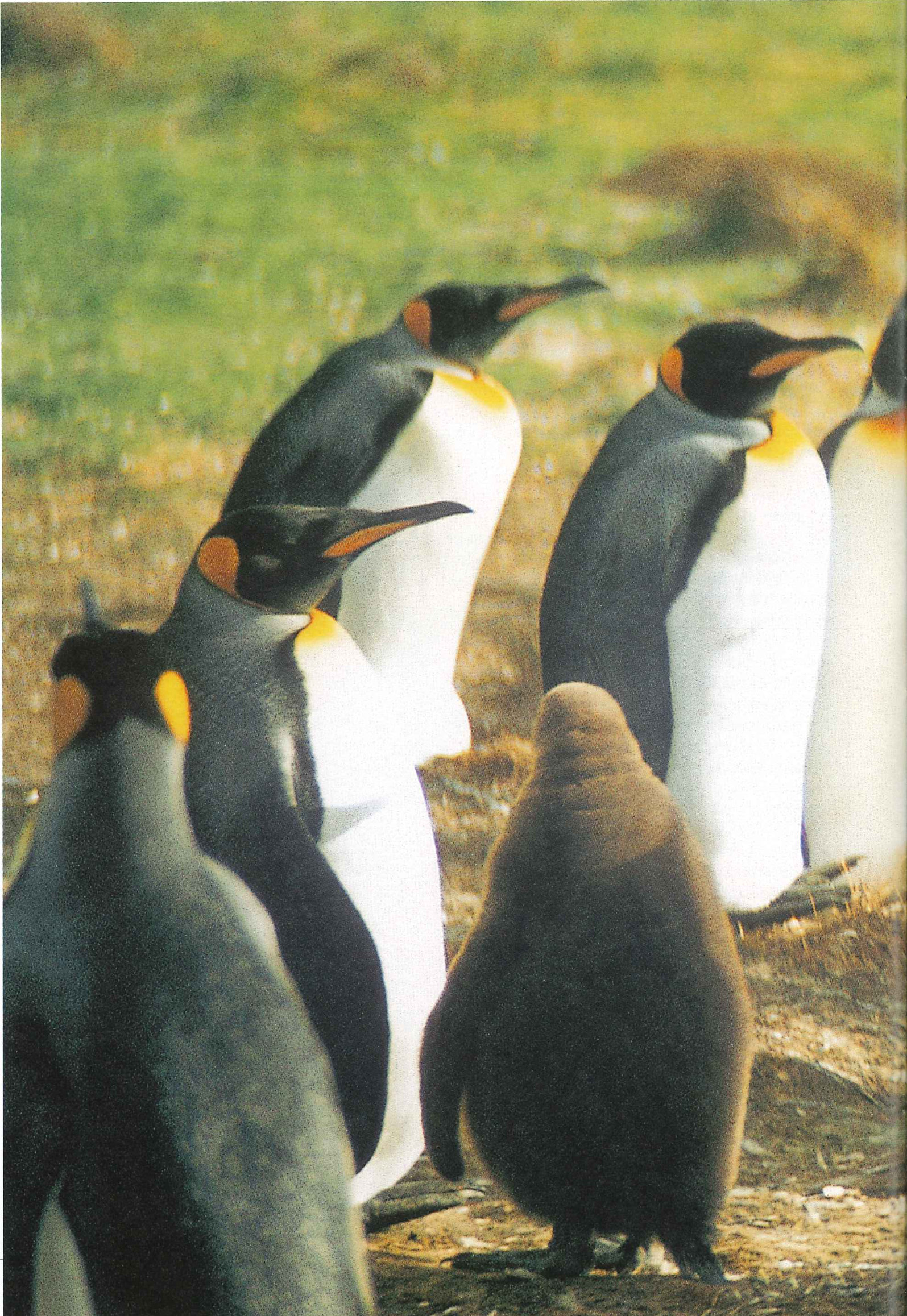
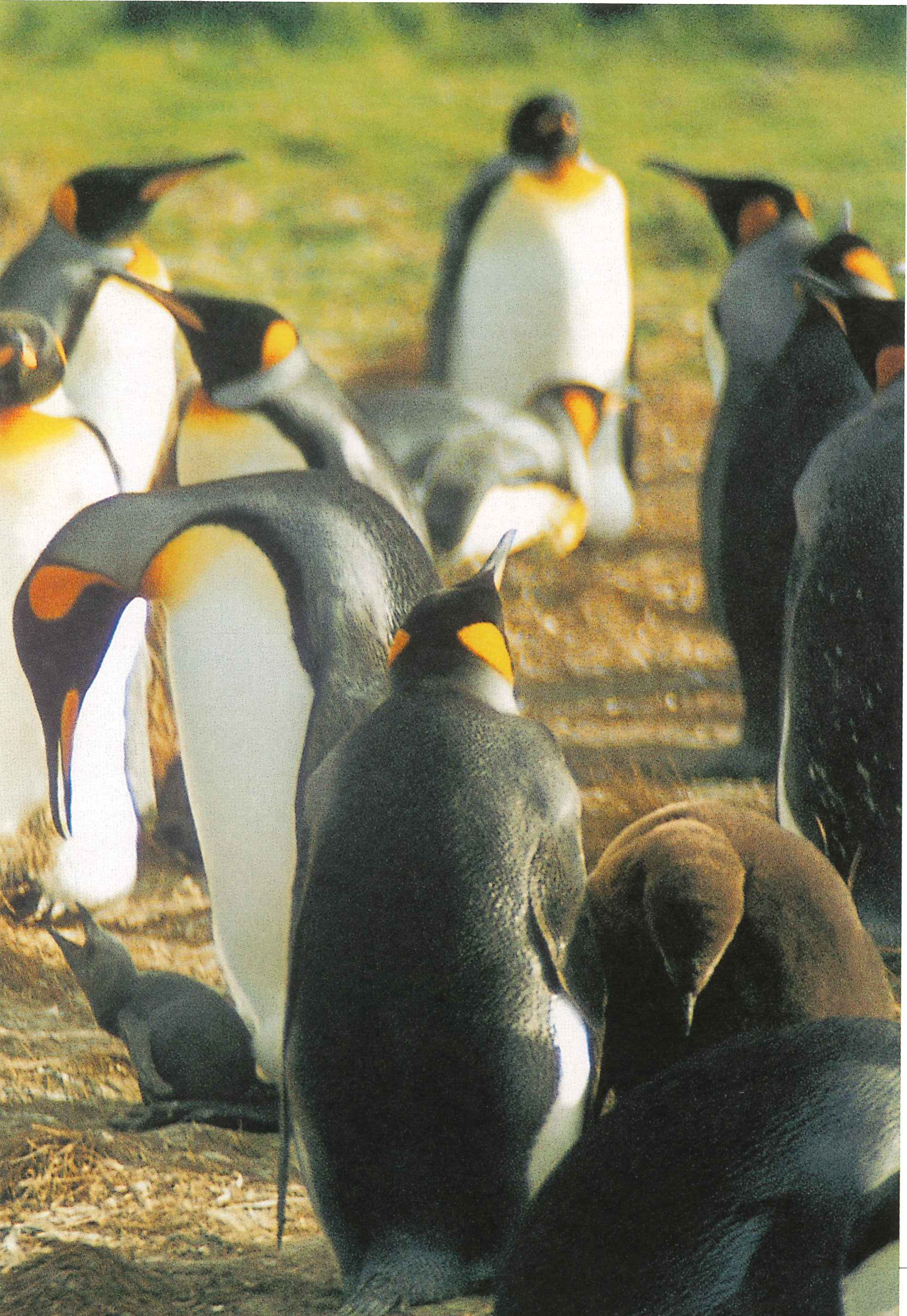
Most spectacular of all are the King penguins — their 60-strong colony at Volunteer Point is the largest outside Antarctica. Up to a metre high, they live up to their name, looking down disdainfully on the cheeky Rockhoppers and the braying hole-dwelling Jackasses with whom they share their territory. Kings are dedicated but liberated parents. While one of the pair fishes, the other incubates the couple’s large egg on top of his or her hind feet, covered by a roll of fat. When the mate returns, it will carefully position itself beak-to-beak with the egg-minder; with is rolled from one set of feet to the other. The chicks are less stately: big cuddly balls of brown fur, nicknamed “oakum boys” by the sailors on the clipper ships.
There are also sheep, 300 of them, to be precise, for each of the islands’ 2000 or so inhabitants. They make for a rather monotonous diet. In fact, there’s really not much point in asking your host what’s for dinner. It’s sure to be mutton.
One afternoon on West Falkland stands out. I had clambered to a hilltop close to Port Howard, and watched a spectacular effect as the sun, obscured by black scudding rainclouds, suddenly caught the surface of the sea, way across the sound. I thought this was the most beautiful place on Earth. Later, looking at the map, I put my finger on San Carlos Water.
A year later, in the southern winter of 1982, San Carlos Water had an altogether different name: Bomb Alley. Here, as the British Fleet, with only sporadic air cover from its few Harriers, established a foothold on East Falkland, Argentine A-4 fighter-bombers launched suicide attacks from a hundred feet above the water. Suicide not just because of antiaircraft fire and the jump-jets but because, flying at the extreme limit of their range from the Patagonian mainland, pilots knew they might well have to ditch before they made it back. The brave Argentine pilots knew San Carlos as the Valley of Death.
I had a friend from University who served on HMS Antrim and lived with a 200 pound bomb in his engine room for three months; another friend — a cheerful young man to whom I had once vainly attempted to teach English on hot Buenos Aires afternoons — was a Super Etendard pilot flying for Argentina. I wonder if Juancho ever had the Antrim in his sights.
Fifteen years on, millions of pounds have been poured in to the Falklands; there is a heated swimming pool in Stanley, the old airstrip has been replaced by one that can take DC-10s from London; there’s even TV. Emma’s, I hear, is now a hotel, and there are half-a-dozen bars to cater to the troops. There is talk of offshore oil (although there always was) and of some sort of accommodation with Argentina (again, there always was…).
Much of the coast remains off-limits, because of mines. One of the saddest stories my Navy friend Mark told me was of the Antrim’s helicopter pilots trying to scare off elephant seals, in the months after the landings, from the beaches to which they and their ancestors had been returning since time immemorial, to breed in the short southern summer. Even warning bursts of machine-gun fire from the air would do no good — the seals steadfastly lumbered ashore, to be blown to pieces by landmines.
They say you should never go back, and perhaps I never will. Somehow, though, I suspect that Emma’s sheets are as clammy as ever, and that the lace curtains still twitch when strangers stroll through Stanley.3
View the original scanned pages →
Originally published in bout de papier, Vol. 14, No. 4 (1997) — Winter 1997 // Hiver 1997, pp. 34–37. Read the rest of this issue →



