
bout de papier, Vol. 16, No. 3 (1999) — Fall 1999 // Automne 1999, pp. 29–32
by J. Ian Burchett
Canadian missions abroad are always looking for innovative ways to expand their trade and public affairs programs. In June 1999, our Embassy in Beijing, in close cooperation with our Consulates General in Hong Kong, Shanghai and Guangzhou and the Consulate in Chongqing, initiated yet another comprehensive outreach program in a major Chinese city, this time in Qingdao.
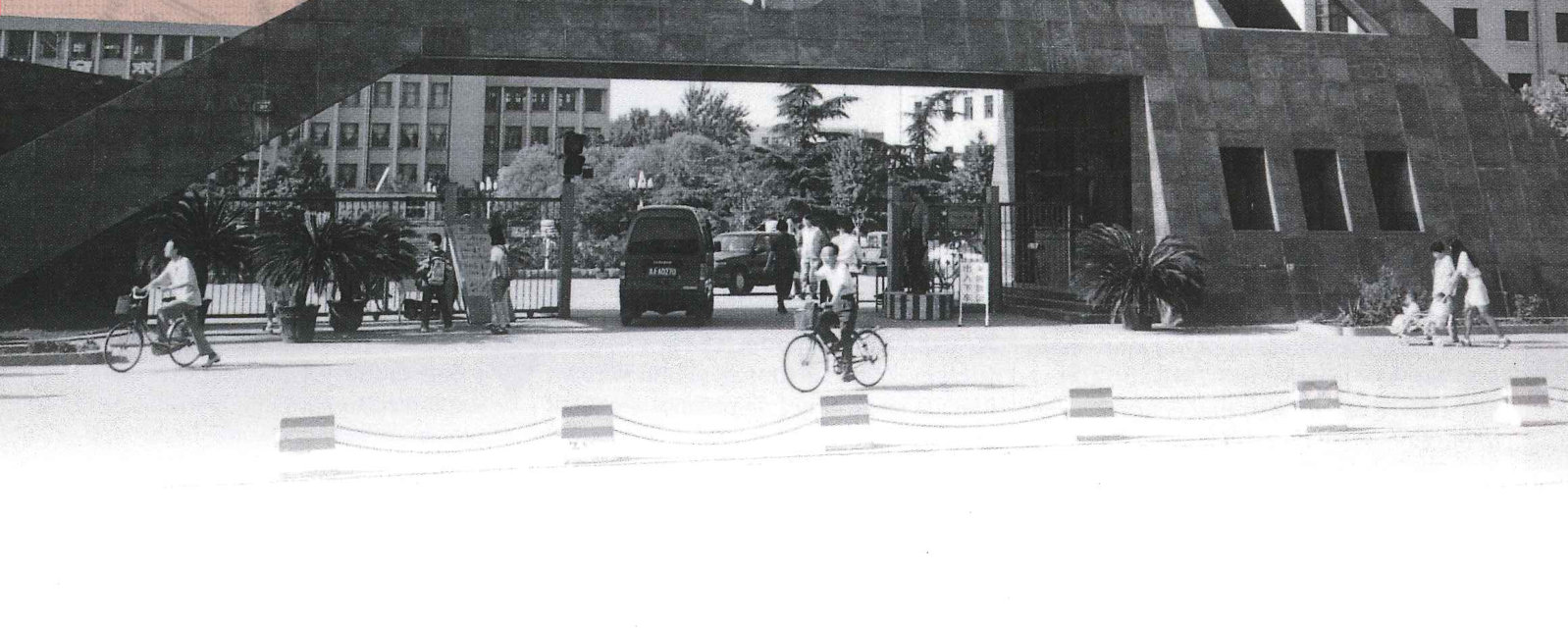
With support from the China and Mongolia Division at headquarters, the Embassy’s Trade and Public Affairs Divisions organized the Canada-Shandong-Qingdao Week, June 7-12, 1999. Through an impressive series of business, cultural and educational events, Canada’s profile was significantly raised in this coastal province of more than 87 million people, as well as in Qingdao, one of China’s most opened, developed and dynamic cities with seven million people. With Bell Canada International’s major investment in Shandong and the Power Corporation, Bombardier and Sifang joint venture in Qingdao, both Shandong and Qingdao are increasingly important to Canadian interests.
Led by our Ambassador Howard Balloch, and Mr. André Desmarais, Chairman of the Canada China Business Council (CCBC), the 59 member delegation including more than 40 business people representing 34 companies was hosted by provincial and municipal top leadership, including Governor Li Chunting, Vice Governor Du Shicheng, Mayor Wang Jiarui and Vice Mayor Zhou Jiabin. Built around a comprehensive business networking program, the Canada-Shandong-Qingdao Week benefitted from extensive and sustained local media coverage.
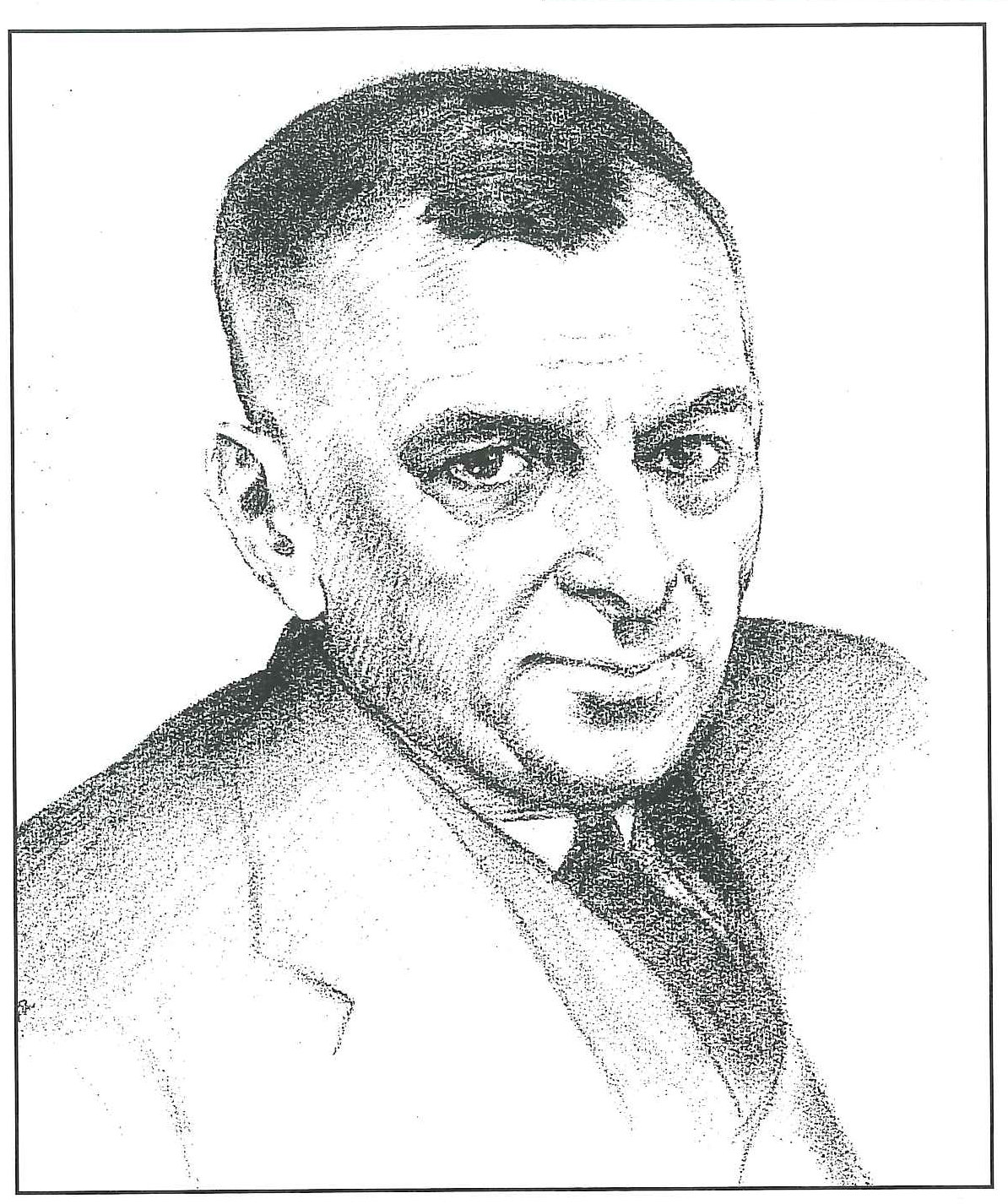
One particular event during the week that illustrates the significant personal ties that individual Canadians have with China involved our former Ambassador, Mr. Arthur Menzies. As many in the Canadian Foreign Service community will know, Mr. Menzies was born in China, where his father was a missionary. During his time there, his father, Dr. James M. Menzies became personally interested in oracle bones and undertook significant research of these ancient pieces which the local farmers were uncovering in their fields.
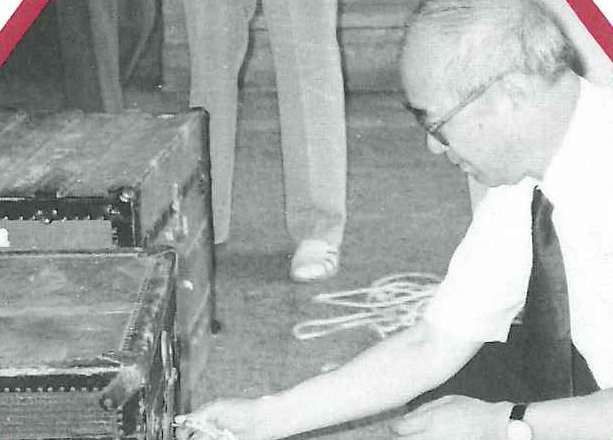
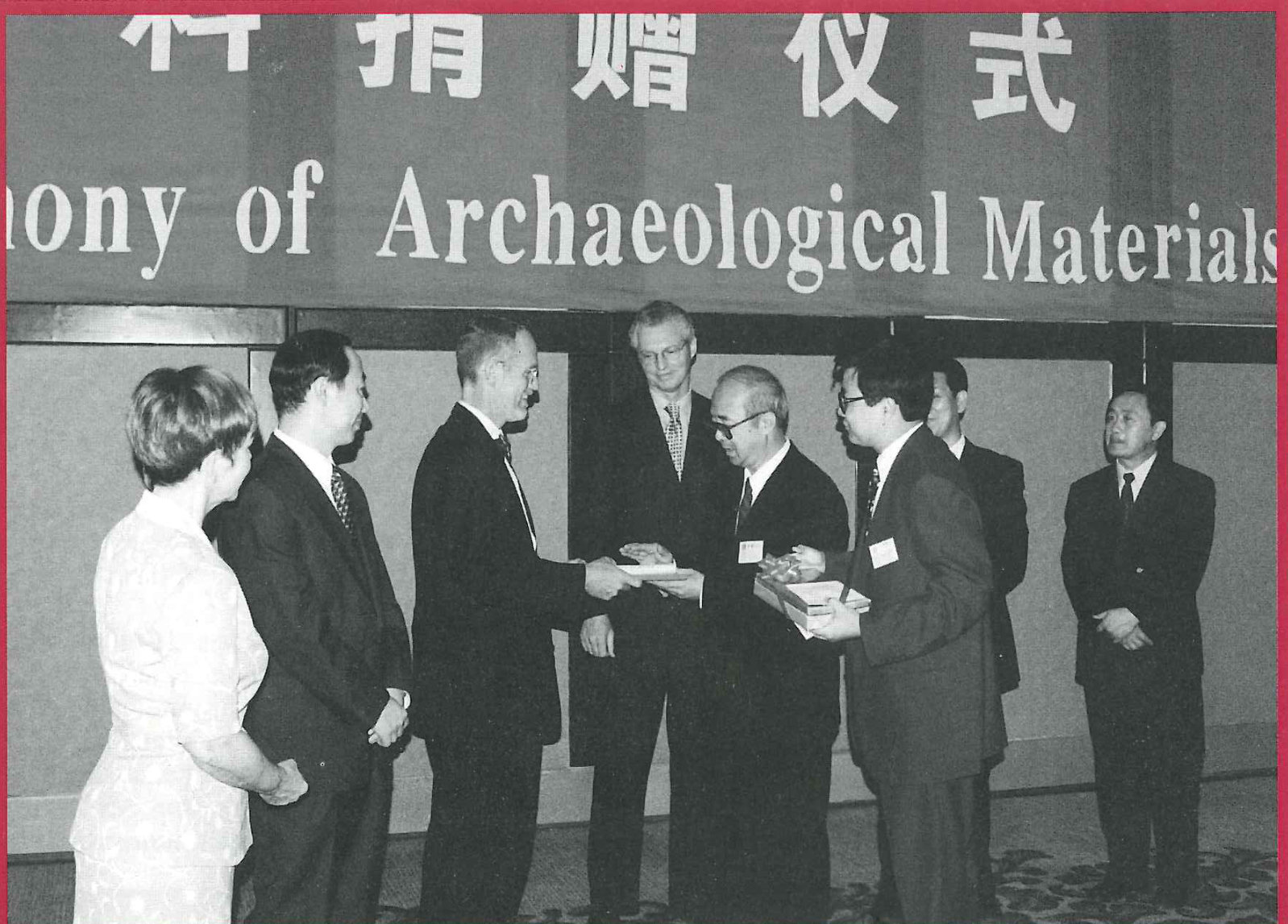
Some months before the June event in Qingdao a conversation between some of our department’s “old China hands” took place in Ottawa, which included Mr. Menzies. At that time, he proposed that it would be most appropriate that his father’s research work returned to China. And so through the generous sponsorship of Canadian Airlines, which flew two large trunks of research papers to China, Dr. Menzies papers were presented to Shandong University in June during the Canada-Shangdong Qingdao Week. Though Mr. Menzies could not attend, the China and Mongolia Division in Ottawa arranged for him to send a personal video message. His text and the translation of the “Certificate of thanks” follows this introduction.
Each year the Canada and China relationship becomes more comprehensive as was so appropriately highlighted during the Canada-Shandong-Qingdao Week. But the China experiences of Canadians like Dr. Menzies and his son, Mr. Arthur Menzies speak so much more about the diversity and importance of the personal ties between our two peoples. These friendships and family histories are critical to further strengthening Canadian and Chinese cooperation and friendship. We honour Dr. Menzies’ legacy and the generosity of his family to share these important writings with the new generation of students that will pass through Shandong University. Through one Canadian’s research, Chinese students can now learn a little more about their fascinating past.
Post script: Since this event in June, Canada has selected Qingdao to be part of Canada’s sustainable cities initiative, through which we will share more of our environment technology and services expertise with China. Clearly, Qingdao is a place where we can send first-time exporters and our efforts have established some considerable goodwill towards Canadians.
Remarks by Arthur Menzies for the presentation in Qingdao — June 10, 1999
JUNE IU, 199Y
Honourable Governor of Shandong Province, Respected Mayor of Qingdao, Canadian Ambassador Howard Balloch, Ladies and Gentlemen:
I am pleased to use this video to send you my greetings from Ottawa, the capital of Canada, where I am now living in retirement.
I was born in 1916 in Anyang in Henan Province, about 500 kilometers south of Beijing. My father, James M. Menzies (Ming Yi Shi), was a Canadian missionary working in Anyang county from 1912, after studying Chinese for two years. When I was a small boy I sometimes went for walks with my father in the countryside. He liked to walk by the Huan River and the village of Xiao Tun. He had noticed that when the farmers plowed their fields before planting grain or cotton they would throw to the sides of their fields old pieces of pottery and sometimes small pieces of bone with ancient characters cut into them.
Xiao Tun was near the site of the last capital of the Shang Dynasty from about
1300-1000 B.C. This place was called the Waste of Yin
Xu). Inscribed bones, known as Dragon Bones (Lung Gu) been sent to medicine shops in Beijing from Anyang.
In 1898 a Chinese scholar recognized the chiseled symbols as an early form of Chinese characters.
As a missionary my father could not afford to buy big pieces of inscribed bones, but he could buy little pieces from the children of Xiao Tun for a few cash. So, he made a collection of over 30,000 pieces which have been preserved in museums.
I remember my father sitting in his study room under a bright light studying the tiny characters on bones. He explained to me that these characters cut into the bones, and some on bronze ritual vessels, were the earliest form of Chinese writing yet found.
In 1932 my father was invited to become the first professor of archaeology at Chilu University in Jinan. At that time I was attending a Canadian boarding school in Kobe, Japan. During school holidays I returned from Kobe by ship and then traveled by train to Jinan. I enjoyed playing soccer and walking in the hills behind the Chilu University campus. I also climbed Taishan and visited Chufu, the old home of Confucius family. In July 1935 I revisited Anyang with my father. The first excavations of the Shang Royal Tombs had been undertaken the previous winter by Academia Sinica and we visited the site near Xiao Tun village.
I returned to Canada in August of 1935 to attend the University of Toronto and do postgraduate work in Far Eastern History at Harvard Unive the Canadian F 1976-80 was F Ambassador People’s Rept the time that I opened China I visited Qin Jinan several and, at the age climbed Tais again. Of cour: I should not speak of this as an achievement because Deng Xiaopir climbed Huangs when he was or
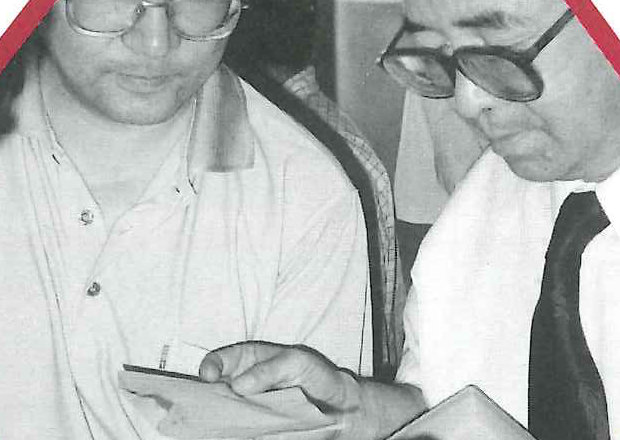
Professor Jiaheng of the Department of University wi scholar at the Regina from began teaching on her return. S Canada and abor Canada. She became une Director of the Canadian Studies Centre in Shandong University. She has made a big contribution Dr. Fang suggested to me that my father’s ¡earch materials and books on Chinese ting the donation Hui, Professor Zeng Fanren, Professor Lu archaeology would make a valuable contribution to the research work at Shandong University. So, after consulting my elder sister, I decided to send three trunks of research notes and books as a gift to Shandong University, which is carrying on in a modern way the advanced learning about China’s rich history and culture which my father greatly admired.
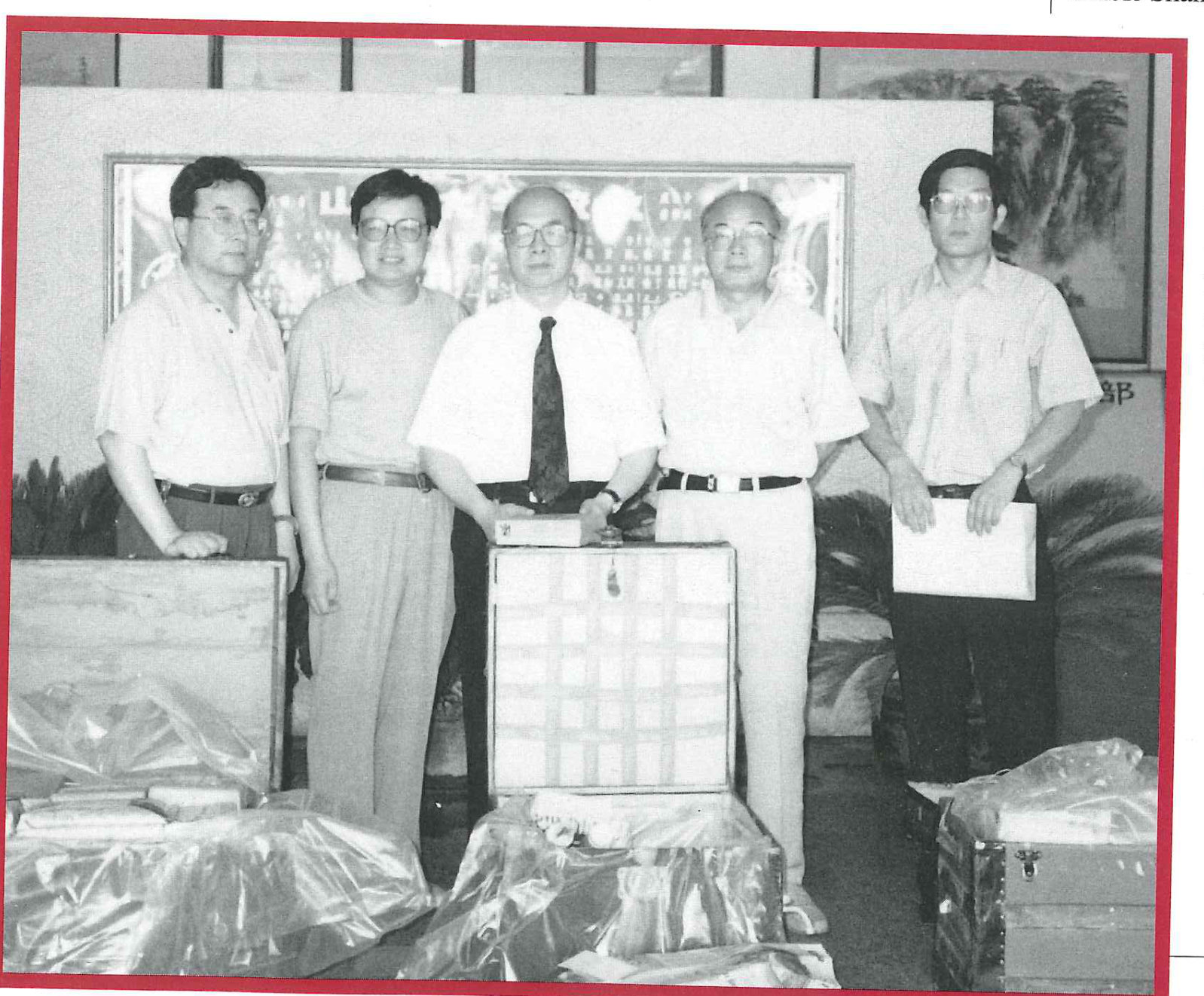
I am grateful to Canadian Airlines for transporting these three heavy trunks by air to China, in their well-established tradition of public service.
I hope that this gift will contribute to strengthening the relations between Canadian and Chinese scholars. That would certainly have been the wish of my father.
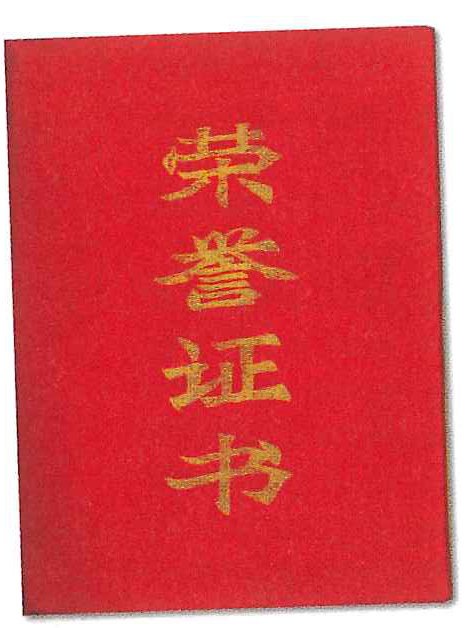
Certificate of thanks to Ambassador Arthur Menzies for the donation of Dr. James M. Menzies’ archaeology research materials
On June 3, 1999, Shandong University with a history of more than 100 years gratefully accepted from Ambassador Arthur Menzies the generous donation of three trunks of materials and books on Chinese archaeology bequeathed by the late Dr. James M. Menzies. This will greatly assist Shandong University scholars in their archaeological research work and it will enable Shandong University to continue Dr. James M. Menzies’ research work in archaeology and advance his historical research. The materials are mainly composed of rubbings of oracle bones, philological studies of bronze vessels, manuscripts, as well as documents, diaries and letters. These materials are extremely valuable, absolutely unique, and unavailable anywhere else. By donating these materials and returning them to their place of origin, the intention of Ambassador Menzies in encouraging Shandong University is abundantly clear. This generous donation is worth much more than gold to us and will gain wide spread appreciation, especially from scholars of history and archaeology. This bequest and the materials will be officially recorded by the university for posterity. Thanks to this donation Shandong University’s strengths in the humanities and social sciences will be greatly improved. Shandong University will benefit immensely from conducting studies on these unique materials. It will definitely not lay aside or neglect these materials, but will make best use of them, and will make them accessible to those outside the university.
This certificate is given to express Shandong University’s appreciation. It will be recorded in the University’s annals.
ZENG Fanren
President of Shandong University, China
June 10, 1999
View the original scanned pages →
Originally published in bout de papier, Vol. 16, No. 3 (1999) — Fall 1999 // Automne 1999, pp. 29–32. Read the rest of this issue →



