
bout de papier, Vol. 19, No. 1 (2002) — Spring/Summer 2002 // Printemps/Été 2002, pp. 9–13
L ast December, retired Lieutenant General Roméo
1 Dallaire stepped off the plane from Africa with a report. The General had been in Sierra Leone, a country in the midst of reconstruction and stabilization after years of vicious armed conflict.
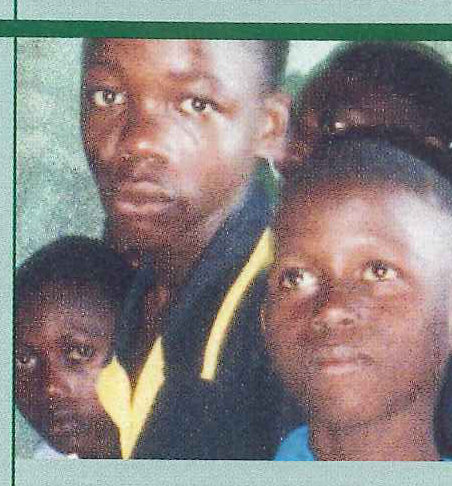
As Sierra Leone’s disarmament and rebuilding efforts unfolded, the now widely recognized Dallaire had been dispatched by the Canadian Government to investigate on-the-ground humanitarian efforts to assist Sierra Leonean children affected by the war.
What had become of the boys and girls, the young men and women who had served as child soldiers and their “bush wives”? Was assistance for children who had been orphaned and displaced by the conflict getting through? And what were the real longterm prospects for children physically and psychologically harmed by conflict atrocities?
Having met with war-affected youth, NGOs, UN agencies and state officials in Sierra Leone, Dallaire returned to describe a number of daunting challenges to effectively assisting young people affected by the conflict.
According to the General, this is not a problem for which there will be a quick-fix solution.
“Currently, due to a lack of resources, these children are given very little time to reintegrate into society,” says Dallaire. “In the space of a few short weeks, they are asked to come to terms with everything they’ve been through. It boggles the mind.
“Remember, many of these children are traumatized, especially the girls. But they’re being treated very superficially. There are no psychiatrists or psychologists to help these children deal with the horrors they’ve been subjected to. And since the transition period is very short, they rejoin society with all of this emotional baggage which will end up overwhelming them some day.”
Conseiller spécial pour les enfants touchés par la guerre
Ce n’est pas la première fois que Roméo Dallaire revient d’un pays déchiré par un conflit pour essayer de faire accepter la nécessité d’une intervention humanitaire plus efficace.
Le général, qui a servi 35 ans dans les Forces canadiennes, est bien connu pour le rôle qu’il a joué comme commandant de la Mission des Nations Unies pour l’assistance au Rwanda (MINUAR). Le fait que cette mission n’ait pas pu empêcher le meurtre de plus de 800 000 Rwandais en 1994, malgré les demandes répétées du général Dallaire qui réclamait une intervention internationale plus considérable, est un des exemples les plus souvent cités pour démontrer la nécessité de réformer les opérations internationales de maintien de la paix.
Depuis, le général Dallaire est apparu comme un personnage faisant preuve d’un grand humanisme. Généralement reconnu comme un acteur moral dans le drame du Rwanda, dont les recommandations sur le terrain n’auraient pas dû être ignorées par des décideurs à des milliers de kilomètres de là, il a aussi affiché publiquement les blessures psychologiques que lui a laissées son expérience. Sa franchise au sujet de son expérience personnelle du syndrome de stress post-traumatique et son action en faveur d’un meilleur soutien mental pour les membres des Forces canadiennes ont fait parler plus ouvertement, chez les militaires et dans le grand public, des effets psychologiques des conflits armés. Figure médiatique et conférencier très en demande, Dallaire présente le profil d’un héros canadien moral et vulnérable, passionné par des défis de sécurité complexes et subissant les effets personnels de son expérience du front.
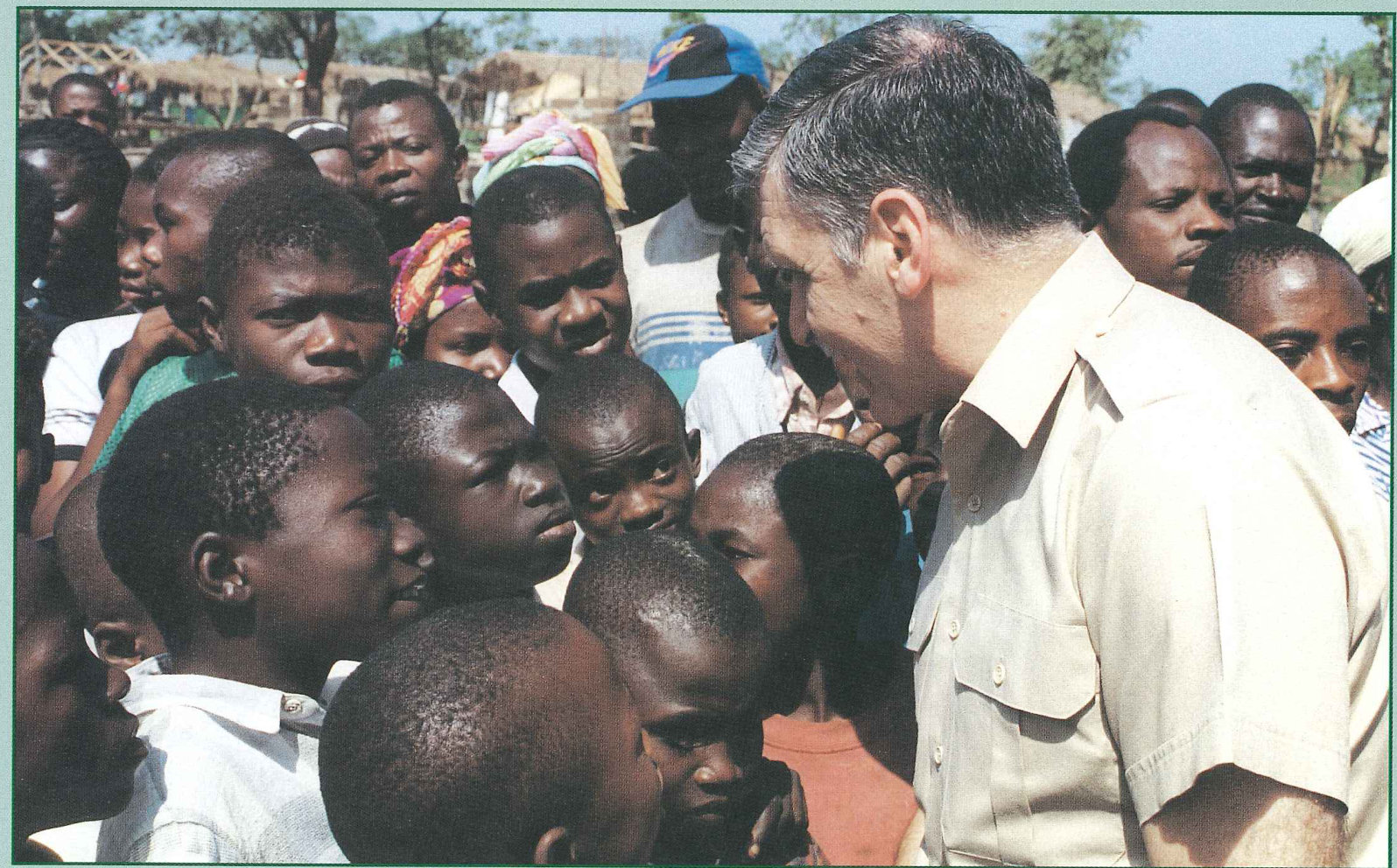
Maintenant, le général devenu le défenseur des militaires met sa renommée au service de la promotion et de la protection des droits des enfants touchés par les conflits armés. À la Conférence internationale de Winnipeg sur les enfants touchés par la guerre, en septembre 2000, la ministre de la Coopération internationale de l’époque, Maria Minna, a nommé le général Dallaire conseiller spécial pour les enfants touchés par la guerre. Depuis, il tient ce rôle en s’adonnant à des activités de représentation politique auprès des organismes internationaux, de communication avec le public et de recherche sur le terrain, sa mission en Sierra Leone étant sa première.
Il parle ouvertement du lien entre son expérience du Rwanda et son travail en faveur des enfants touchés par la guerre. « Il y a eu tellement d’enfants tués au Rwanda! Des enfants qui ont été tués, souvent, par d’autres enfants », rappelle Dallaire. « C’est EU ce qui m’a le plus marqué de mon expérience au Rwanda : de voir que de jeunes enfants pouvaient tuer. Imaginez, ici, on est dépassé par l’idée qu’il y a de la violence dans les écoles.
On estime que 300 000 jeunes, dans le monde, ont servi des groupes belligérants comme combattants, comme esclaves sexuels, et comme porteurs d’eau et de bagages. Ils comptent parmi les millions de filles et de garçons dans le monde qui ont été touchés par les conflits armés, ces enfants qui ont subi des blessures physiques et psychologiques, qui ont été témoins d’actes violents et qui ont perdu leur famille, leur foyer, leur accès à l’école et aux services de santé.
La promotion et la protection des droits des enfants touchés par la guerre fait partie du programme de sécurité humaine du ministère des Affaires étrangères et du Commerce international, et l’Agence canadienne de développement international en fait un sous-élément de la protection des enfants, une de ses quatre priorités pour le développement social. L’expérience vécue et les connaissances du général Dallaire, son prestige auprès du public et sa passion pour la question contribuent de manière substantielle à l’action du governement canadien face à ce défi humanitaire.
On the ground in Sierra Leone
In the field in Sierra Leone, General Dallaire traveled extensively in an attempt to gauge the situation of war-affected children and the effectiveness of aid efforts directed at helping them. Dallaire’s travels included protocol visits, tête-à-têtes with NGO project managers and trips to rebel and refugee camps where adolescent girls and boys involved in the conflict are on the cusp of reintegration into post-conflict society.
Dallaire describes how it was here that he encountered the specific difficulties of reintegrating war-affected girls and young women who had been exploited as sex slaves or “bush wives” during the conflict.
“Wartime exploitation of girls is rarely talked about, for cultural reasons. These girls have been raped and mistreated and are viewed as no longer acceptable, even by their own families,” says Dallaire. “Later on, many decide to live with rebel groups. After three or four years in the bush, they become so-called bush wives. Living in shame, having been rejected by their families, they prefer to remain with these bands, even though they have been kidnapped and raped by them.”
“When you manage to track these girls down, they have been so traumatized that it’s very hard to get through to them. They remain quiet, subdued, unreachable. They literally hide.”
“Bringing girls back into civilian society is a complex task. Often, boys reintegrate more easily by holding traditional jobs. Girls are an entirely different matter, though. And our knowledge in this area is still very limited.”
Dallaire also found that leadership structures established in the bush were enduring and would likely impact on both reintegration efforts and longer-term development scenarios.
“In Sierra Leone, I found that child soldiers living in the bush form mini-societies led by universally-recognized clan chiefs. These young chiefs, aged 12, 13 or 14, wield enormous influence over the other youths,” says Dallaire. “Within a few years, it is easy to see these band chiefs becoming the leaders of their society.
“That’s why they are taken very seriously, even by local NGOs. We need to envision a thorough process of reintegration for these youngsters so that they become positive leaders.”
Since his return, General Dallaire has relayed his Sierra Leone experience to domestic and international audiences. His report, which will be made available to the public, has informed DFAIT and CIDA policy and programs with respect to war-affected children and Sierra Leone, and has helped maintain focus on the country at a point when many argue long-term international commitment is needed to maintain its stability and progress.
Scène internationale : les armes légères et leurs effets sur les enfants
Au niveau politique international, l’expertise et l’autorité de Roméo Dallaire ont joué un rôle clé pour faire progresser l’action du Canada en faveur des jeunes touchés par la guerre, particulièrement sur la question des armes légères et de leurs effets sur les enfants.
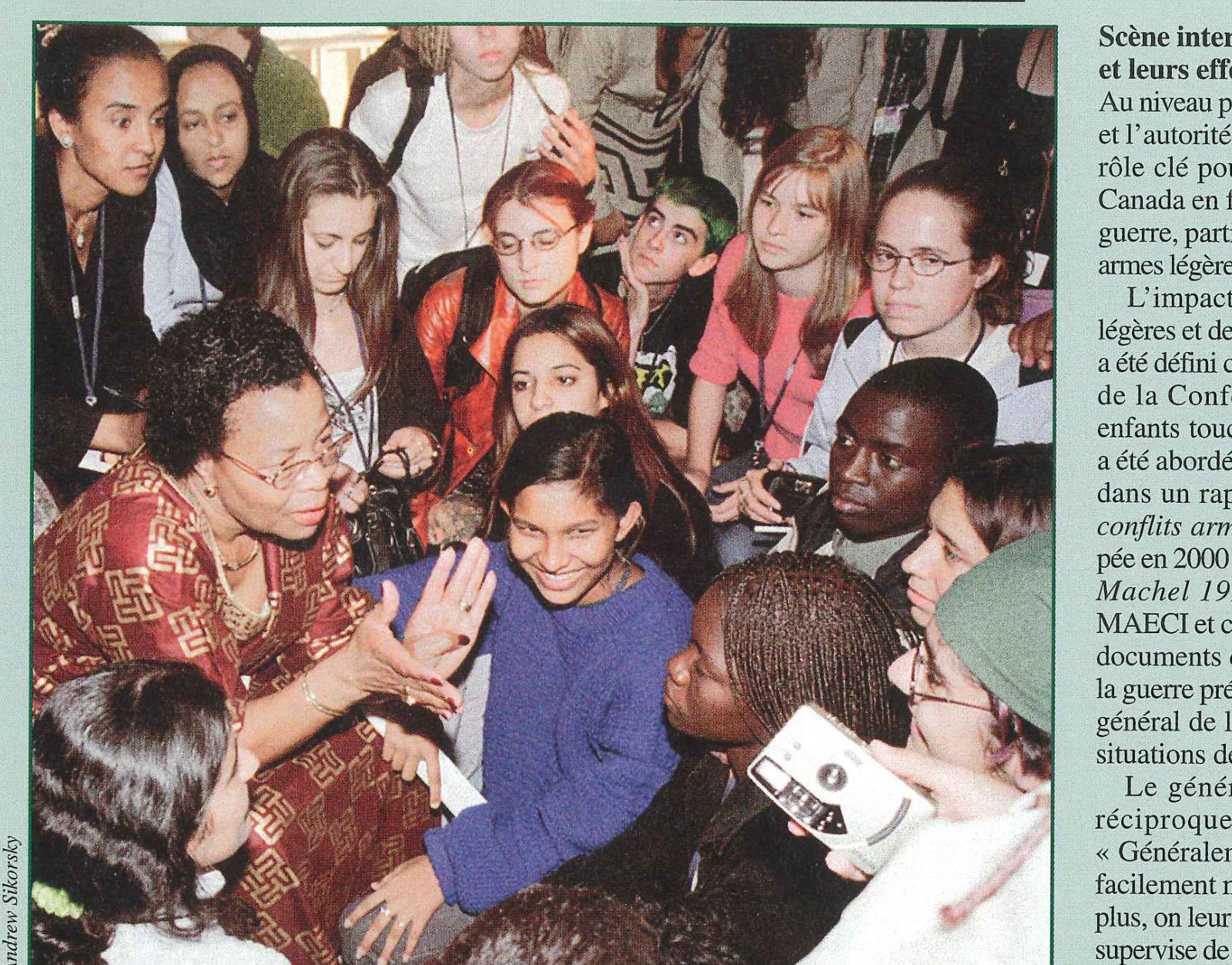
L’impact de la prolifération des armes légères et de leur disponibilité sur les enfants a été défini comme une des priorités d’action de la Conférence internationale sur les enfants touchés par la guerre. La question a été abordée pour la première fois en 1996 dans un rapport de l’ONU, L’impact des conflits armes sur les enfants, et développée en 2000 dans une étude de suivi, L’Etude Machel 1996-2000 (commandée par le MAECI et coparrainée par le Canada), deux documents clés sur les enfants touchés par la guerre préparés par l’Expert du Secrétaire général de l’ONU sur les enfants dans des situations de conflit armé, Graça Machel.
Le général Dallaire explique le lien réciproque entre les deux questions : « Généralement, les armes sont légères et facilement maniables par les enfants. Si, en plus, on leur fournit de la drogue et qu’on les supervise de façon étroite, ces enfants deviennent des armes de guerre très efficaces.»
« Mettre volontairement une arme dans les mains des enfants, comme ce fut le cas au Rwanda, donne énormément de puissance à ces enfants. On crée des égos et des positions de force artificielles qui peuvent être manipulés très facilement.
Le général a été membre de la délégation à la conférence de l’ONU sur le trafic illicite des armes légères, en juillet 2001, où le Canada a lancé une étude traitant de l’impact des armes légères sur les enfants À la session extraordinaire de l’Assemblée générale de l’ONU consacrée aux enfants, en mai 2002, il a aidé à diriger une session de stratégie parrainée par le Canada sur la question, pour les promoteurs des droits des enfants et du contrôle des armes. Le but de la session, et aussi le grand programme de travail politique sur cette question consistent à combler le fossé entre les promoteurs des droits de l’enfant et du contrôle des armes, les organismes de l’ONU (tels l’UNICEF et le département des affaires de désarmement), les ONG des deux spécialités et les représentants des gouvernements.
Resonating with Canadians
While communicating the relevance of abstract foreign policy issues to the Canadian public can be challenging, the plight of war-affected children is one of the best examples of a security issue that carries an emotional impact that crosses borders. Given the interconnection of factors related to the situation of war-affected children – including small arms, gender-based violence, internal displacement, education, malnutrition and HIVIAIDS – engaging the public on this subject can serve as an entry point to a broader discussion.
And because he is recognized by Canadians who know his story, General Roméo Dallaire is uniquely positioned to communicate with the public about these issues. Many Canadians have already connected with Dallaire. We empathize with his suffering, we admire his courage and we are interested in what he has to say. At his November 2001 Vancouver Institute lecture, Dallaire filled four rooms at the University of British Columbia – the largest audience the speakers series has drawn in recent years.
Dallaire says that much of his public outreach work focuses on communicating with young people.
“It’s important to tell young Canadians about the life led by people their own age in other countries,” he says. “Maybe this greater awareness will lead to cooperation projects. It’s something to hope for.”
It is also consistent with the purposeful and substantive inclusion of youth as participants in the International Conference on War-Affected Children and the UN General Assembly Special Session on Children.
In these cases of youth participation in domestic and international fora, and in the case of General Dallaire as an advocate and witness for war-affected children, both the medium and the message reflect an evolving understanding of what constitutes a security issue and how best to approach it. The concept of the sovereignty of the human being and the right of the world’s people to live free from fear are at the core of the agenda to end the suffering of war-affected children.
Fittingly, the message is coming from a man whose international peacekeeping experience and openly shared personal suffering has strengthened his ability to advance this agenda — in the field, on the international political level and with the public. The value of his efforts to mobilize public attention and political will to effectively address the plight of some of the world’s most vulnerable people is part of a critical effort.
Once again, General Dallaire has returned from Africa, warning of the costs of nonintervention, challenging Canadians and the world to respond.
Promoting and Protecting the Rights of War-Affected Children: Progress in Sierra Leone
Sierra Leone Truth and Reconciliation Commission
Canada is working with UNICEF to ensure a proper role for children within Sierra Leone’s Truth and Reconciliation Commission (TRC). The DFAIT Human Security Program supported a June 2001 experts workshop to develop operational recommendations for addressing and involving children in the TRC.
Sierra Leone National Commission for War-Affected Children
Through the DFAIT Human Security Program, Canada has supported the National Commission for War-Affected Children, established by the Government of Sierra Leone to ensure that the rights and needs of war-affected children are taken into consideration at all levels of national planning.
UNAMSIL Child Protection Advisers
The mandate for the United Nations Mission in Sierra Leone (UNAMSIL) includes provisions which specifically address the rights of war-affected children. Child protection advisers have helped to ensure that UNAMIL works actively with UNICEF, NGOs and others to ensure the protection of the rights of war-affected children.
ECOWAS Child Protection Unit
Through the DFAIT Human Security Program, Canada is working in partnership with the Economic Community of West African States (ECOWAS) to establish a Child Protection Unit within the ECOWAS Secretariat. The Unit will act as a focal point dedicated to the protection of war-affected children in West Africa.
Media-based conflict resolution
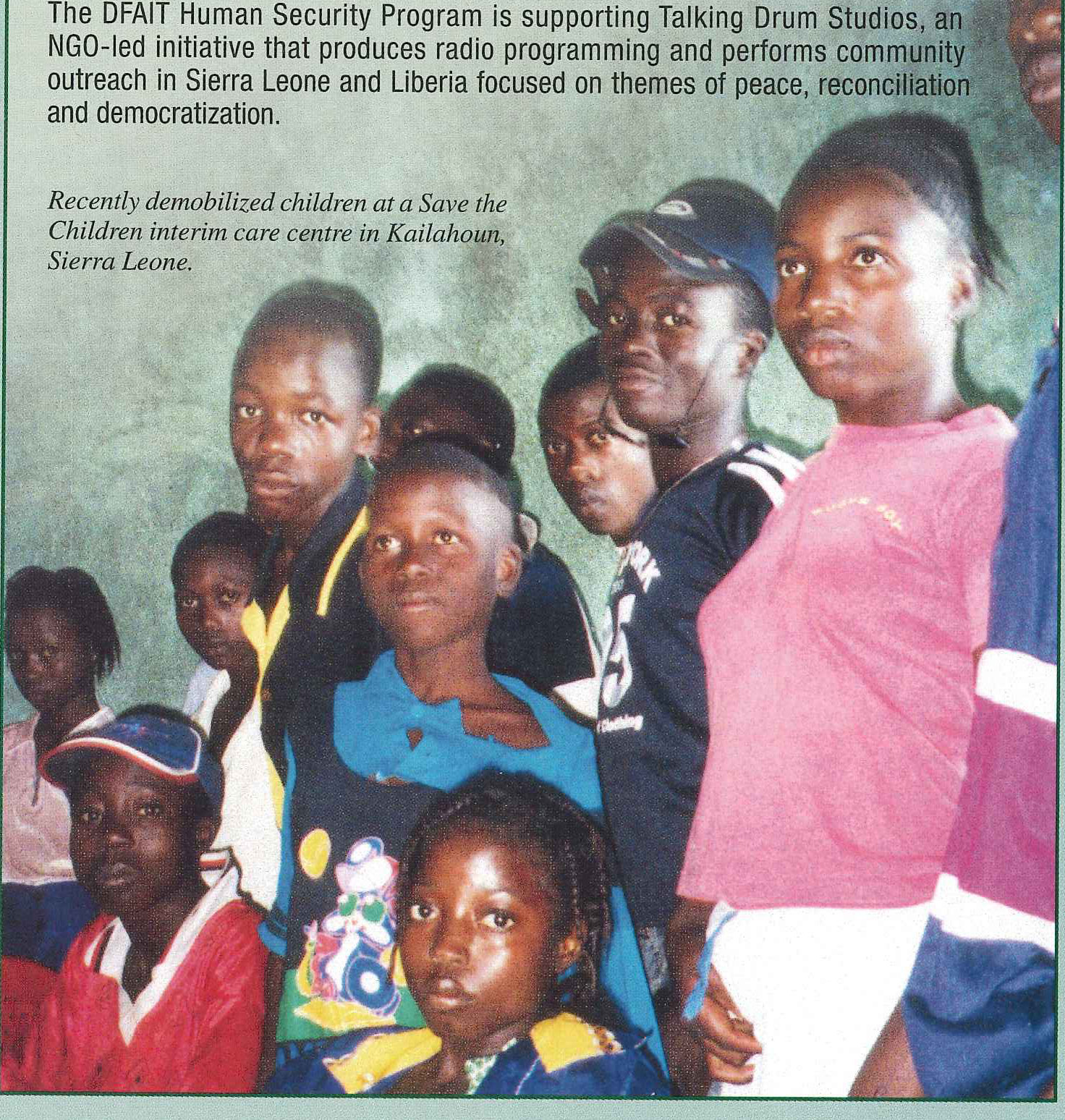
The DFAIT Human Security Program is supporting Talking Drum Studios, an NGO-led initiative that produces radio programming and performs community outreach in Sierra Leone and Liberia focused on themes of peace, reconciliation and democratization.
View the original scanned pages / Voir les pages numérisées →
Originally published in / Publié à l’origine dans bout de papier, Vol. 19, No. 1 (2002) — Spring/Summer 2002 // Printemps/Été 2002, pp. 9–13. Read the rest of this issue / Lire le reste de ce numéro →



