
bout de papier, Vol. 20, No. 1 (2003) — Spring/Summer 2003 // Printemps/Été 2003, pp. 30–36
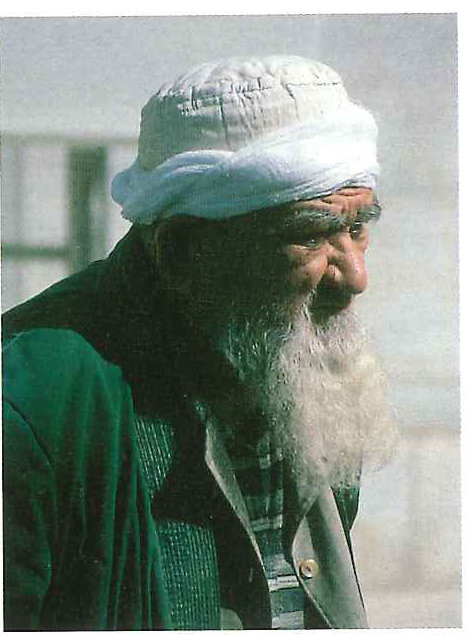
For many centuries Centrat Asia constituted the heart of the “Silk Road”, the most important path of commerce linking Asia with Europe.
In the early twenty-first century, however, it remains one of visited parts of the planet. Hostile to outside visitors in the n century, the various countries of Central Asia fell under the dominance of the Soviet Union between 1919 and 1923. While there were some opportunities for travel during the Soviet period, price structures were prohibitive for backpackers. Large swathes of the region were totally off limits to travellers for security reasons related to the Cold War. The Soviet Union collapsed in 1991, ushering in five new countries in Central Asia, each ending with the four letters “stan” and joining the already existing Afghanistan and Pakistan to the South and East. Having never been there before, and thinking that the place might be an intriguing spot to visit scarcely more than a decade after they came into existence, a friend based in Hanoi and I decided to embark on a holiday into the ’stans of Central Asia.
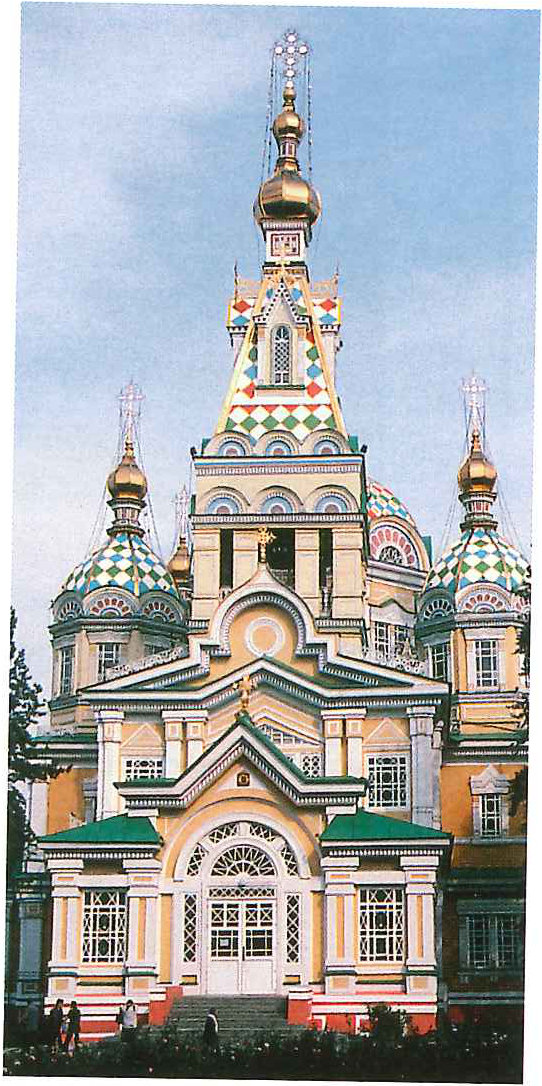
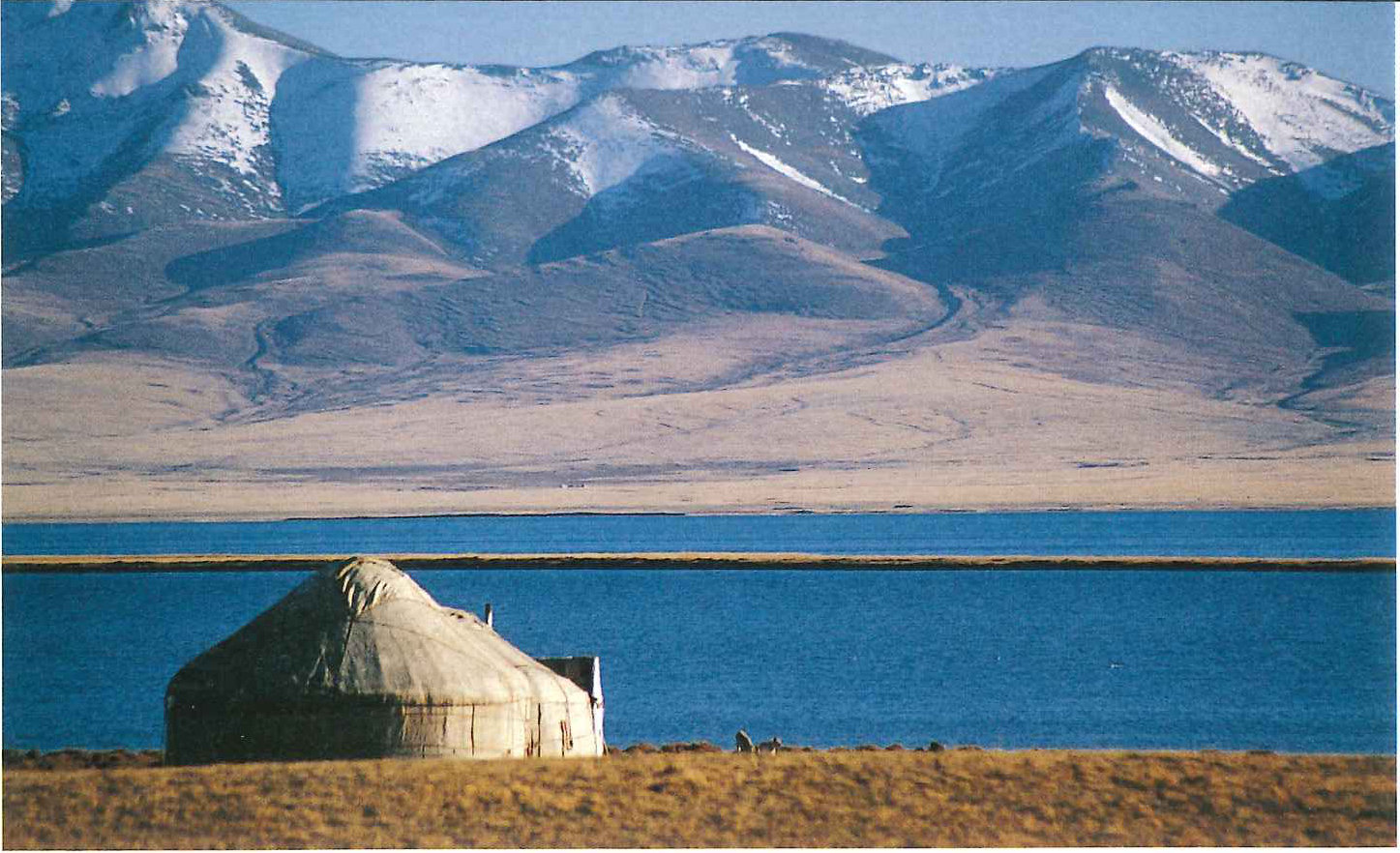
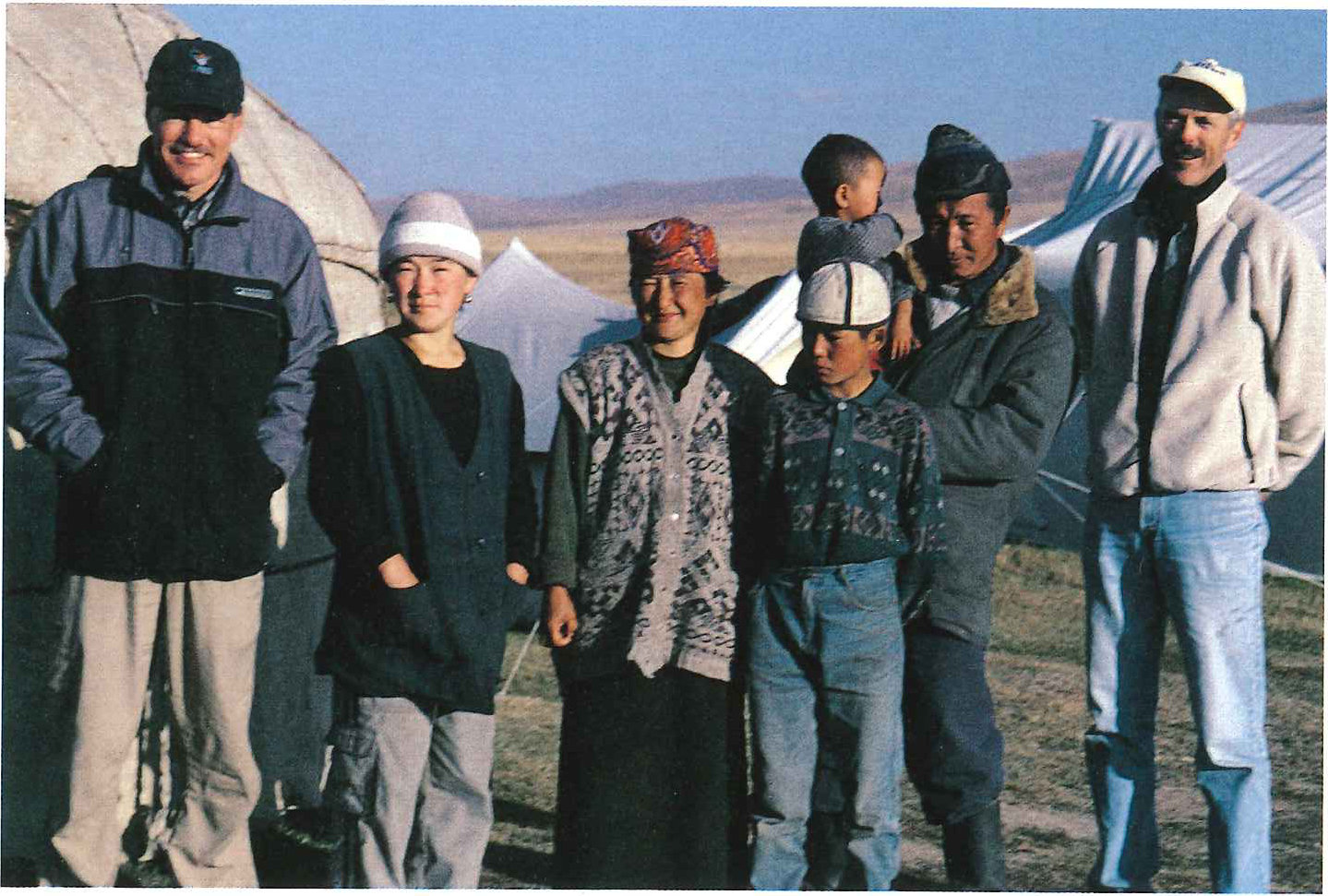
Our route took us from Delhi to Almaty, capital of Kazakhstan. Wethen continued to Bishkek in Kyrgyzstan, did some hiking in the Ala Archa Canyon and stayed with Kyrgyz families in yurts next to the high altitude lake of Song Kul. We crossed to Uzbekistan, heading out to Nukus and Moynaq in the erstwhile Aral Sea area of Karakalpakstan, then back through the famous Silk Road cities of Khiva, Bukhara and Samarkand and finally back to Tashkent.
The main logistical obstacle in travelling to Central Asia is the requirement for visas for each country, combined with the relative paucity of diplomatic missions. There were also additional registration requirements within countries, which could be facilitated by travel agencies, but it still took time. We always seemed to be forking out more money to the respective governments for the privilege of being there. This has been exacerbated in recent years as each country has implemented an increasing number of border checks and as the “three-day transit rule”, by which you could transit one country in the former Soviet Union without a visa if you had a valid visa for a nearby country, has effectively collapsed. However, once past that, Central Asia offers some extraordinary variety and scenic beauty in one of the least touristic parts of the world.
The countries of Central Asia are ostensibly Muslim in religious orientation, yet the long period of communist rule and, to a certain extent, Russian domination in urban centres has changed the social dynamic over the last 80 years. Alcohol is available everywhere. It is rare to hear the call of the muezzin. We generally felt very safe travelling throughout the region, save for being in buses and taxis where the drivers often travelled at recklessly fast speed.
Our stay in Almaty was restricted to visiting the city, arranging the additional visas and hiking beyond the nearby mountain centre resort of Chembulak. Our first impressions of Almaty (as well as Bishkek and Tashkent) were surprisingly positive. The cities are green and generally quiet. Central Asian cities face opposite challenges to those of urban centres in South or Southeast Asia. In the latter, urban crowding and rapid economic growth are overwhelming infrastructural capacity, turning many Asian cities into environmental disaster areas. The former Soviet Union and central planning brought forth planned cities with parks, apartment buildings and wide streets. Economic retrenchment has, on a de facto basis, limited urban and vehicular growth. Many ethnic Russians have left the newly emerging countries. The archetype of a South Asian road journey is of an unending procession of trucks, buses, cars, motorcycles, bicycles, animal-pulled conveyances and pedestrians. The archetype of a Central Asian road journey is travelling along a somewhat bumpy paved road the width of an airport runway with either no traffic or just the occasional vehicle visible in the distance.
Our trip had three components. The first was to enjoy the topographic and cultural dynamic of the northern spur of Asia’s highest mountain chains – the Tien Shan of southern Kazakhstan as well as northern and central Kyrgyzstan. The second was to explore the trail of the environmental catastrophe related to the diversion of the Aral Sea by the Soviet Union in the 1950s. The third was to follow the spur of the Silk Road trail through the three major towns in Uzbekistan where this is most manifest — in Khiva, Bukhara and Samarkand. All exceeded our expectations.
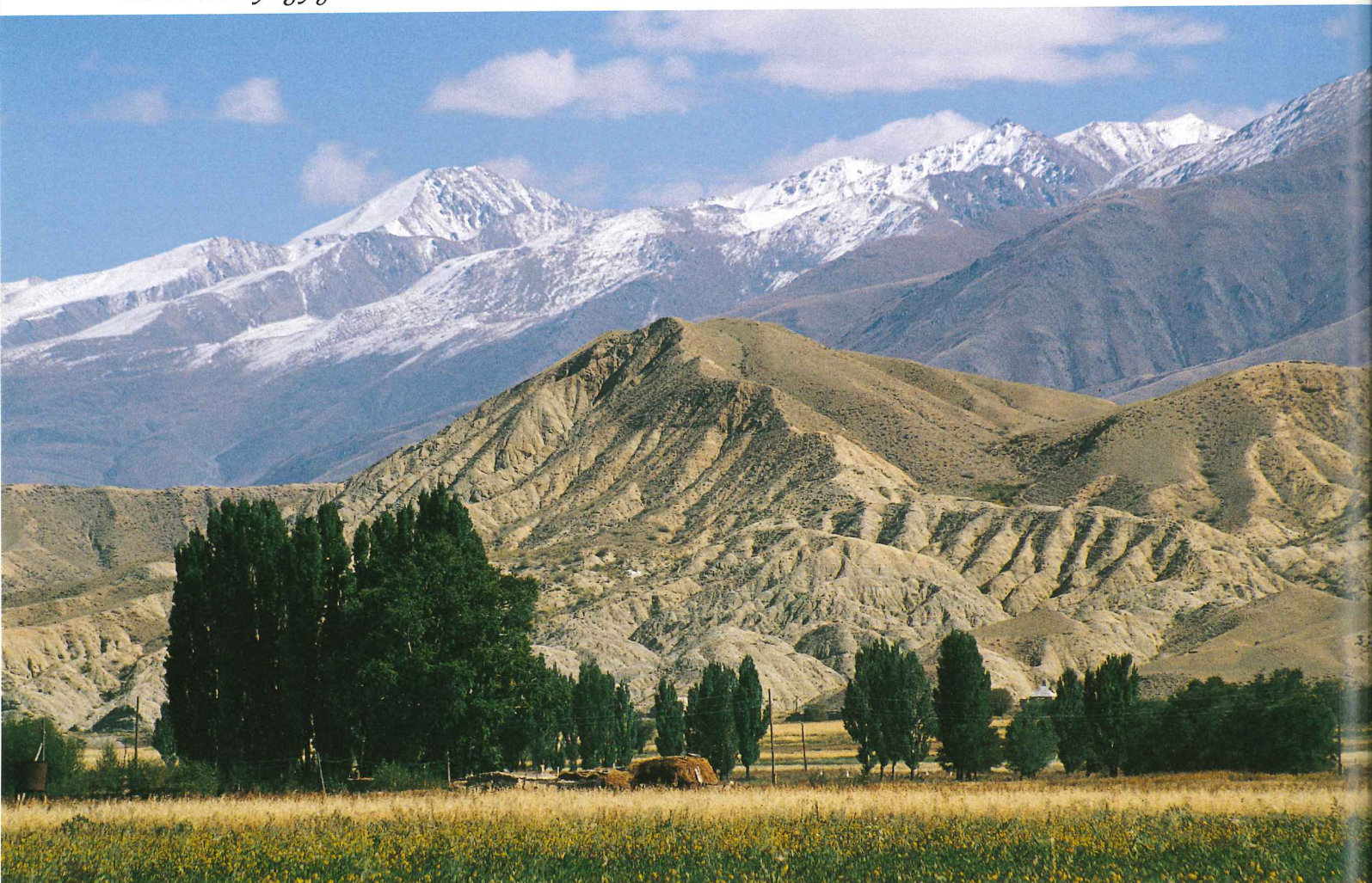
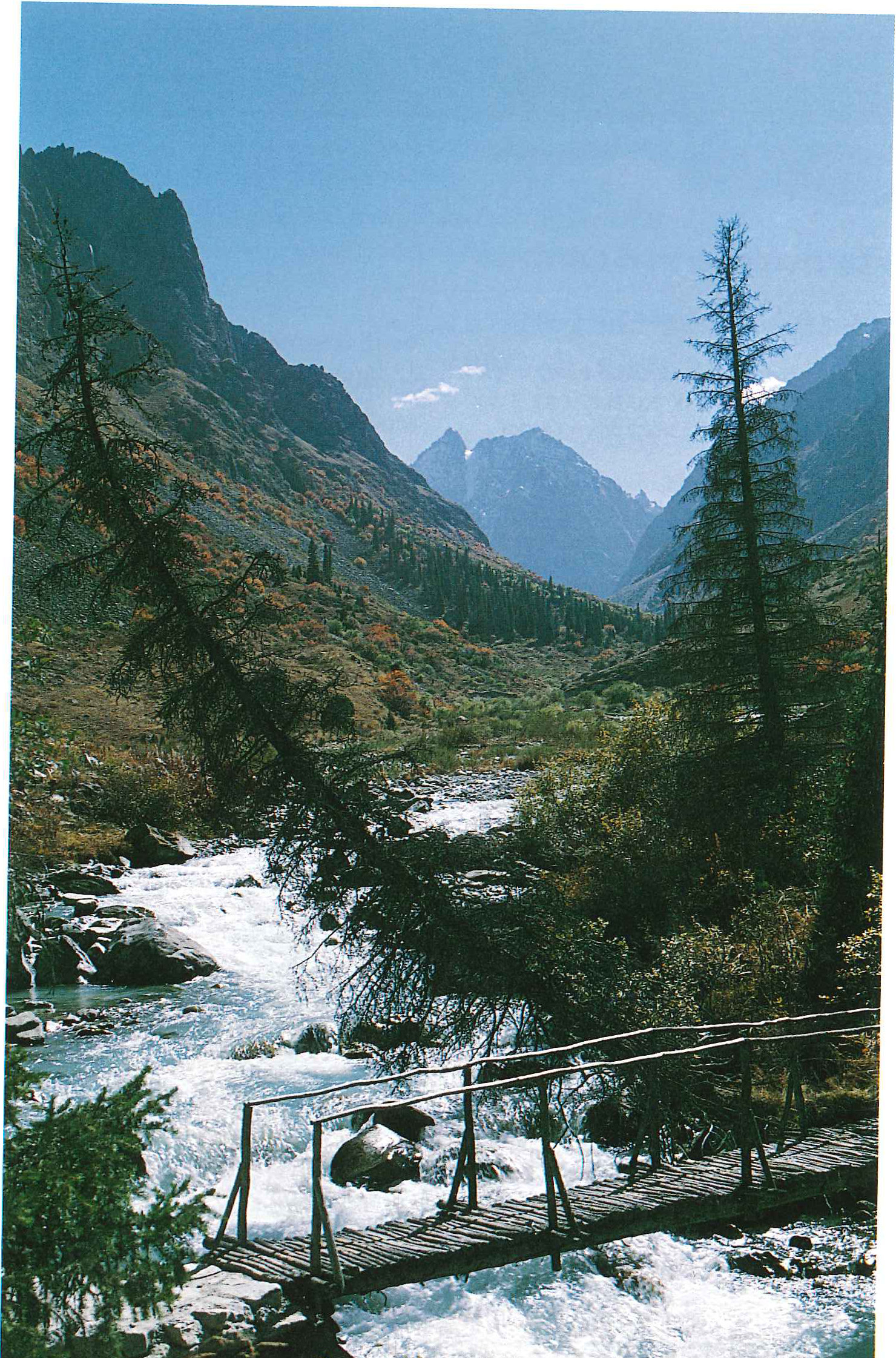
Both Almaty and Bishkek have extremely impressive mountain skylines. We spent a day each hiking beyond the ski resort of Chembulak in Kazakhstan and in the Ala Archa Canyon of Kyrgyzstan, both accessible within an hour of the respective capitals. Peaks visible from the capital cities exceed 4500 metres. In some ways, the topography of dry grassland sweeping up to high mountains resembled the Rockies in Alberta.
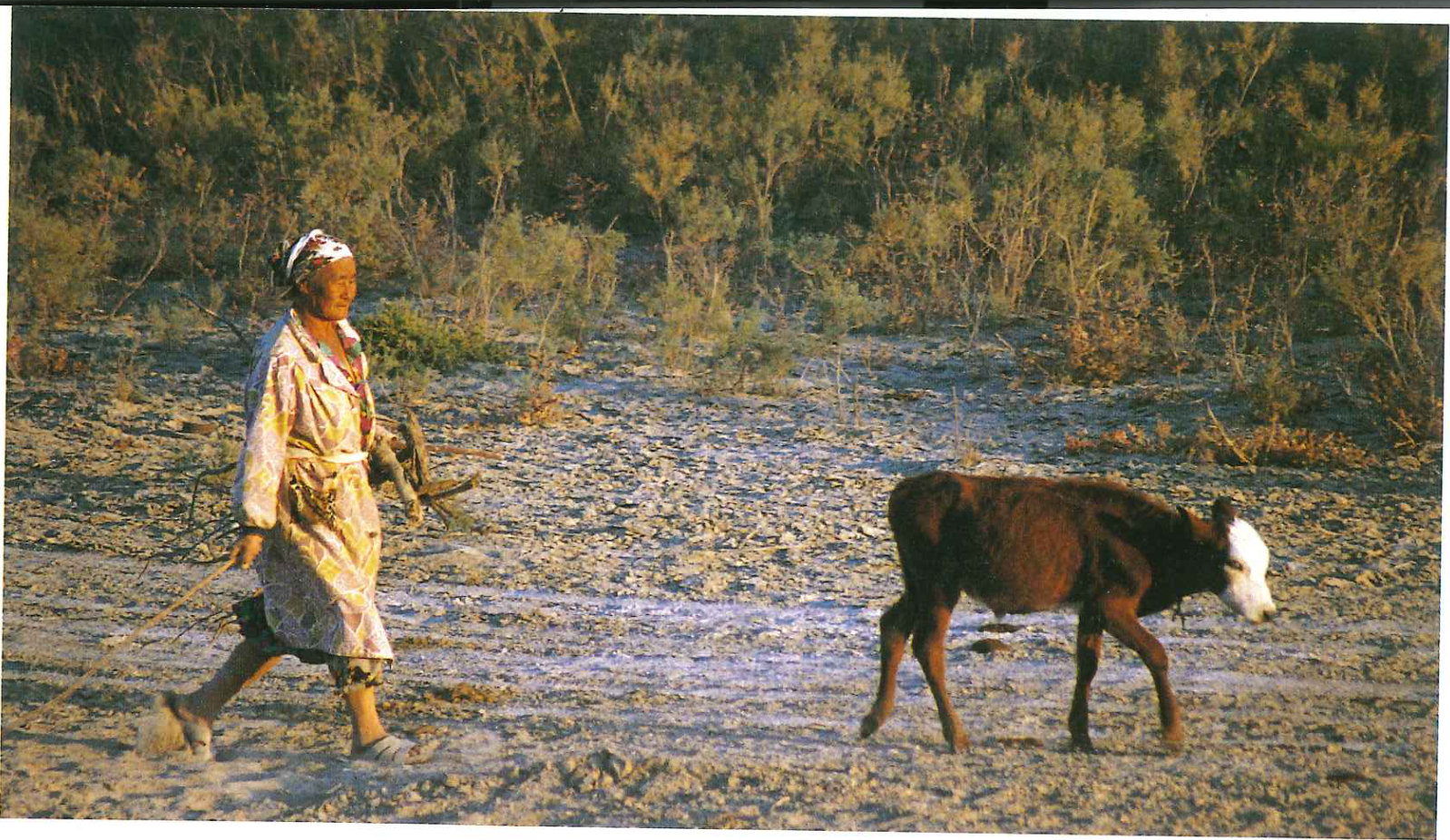
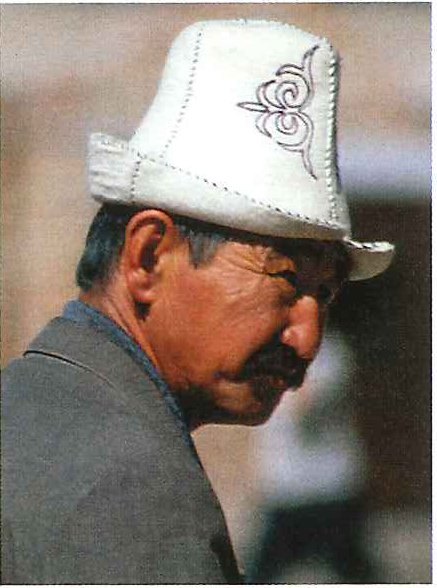
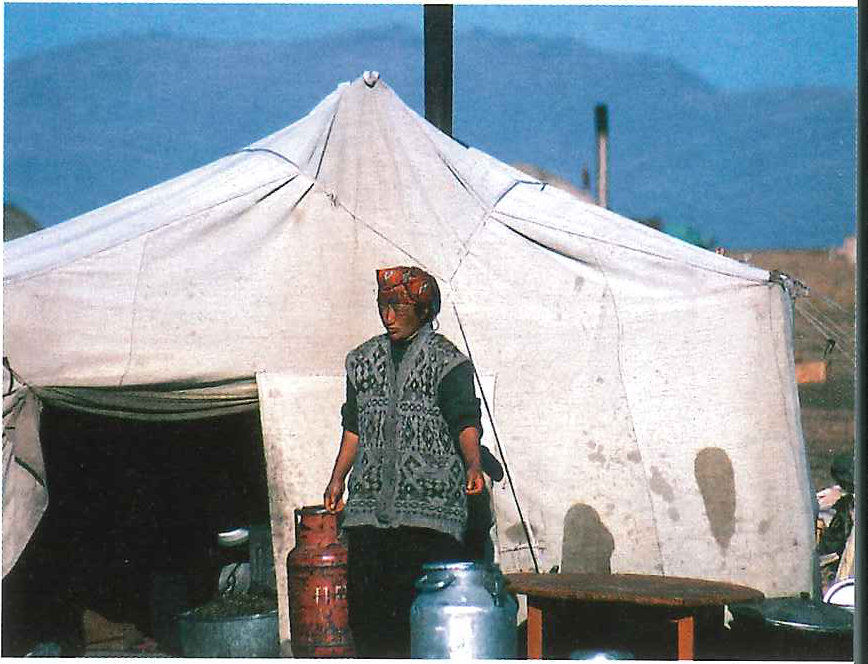
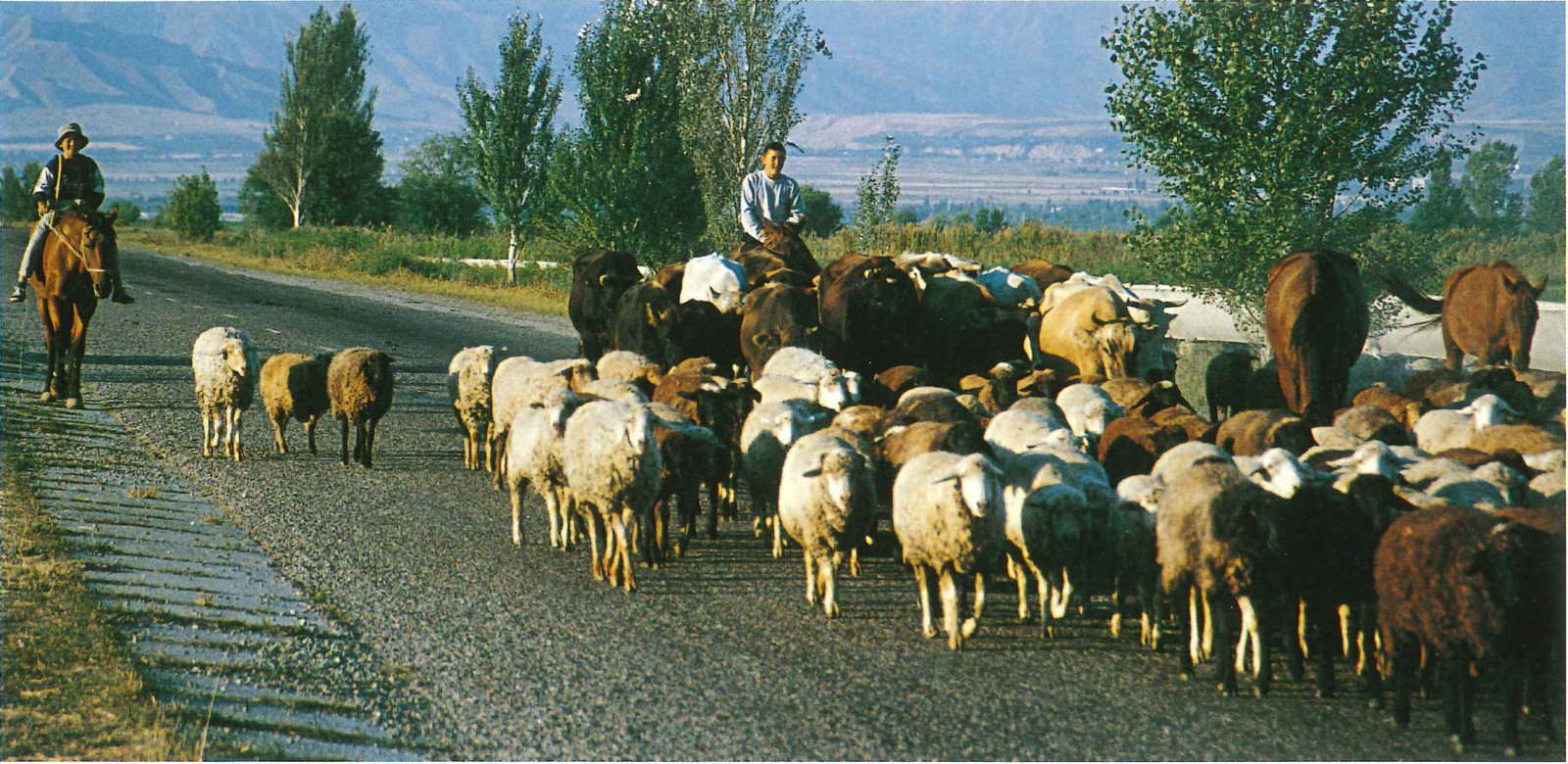
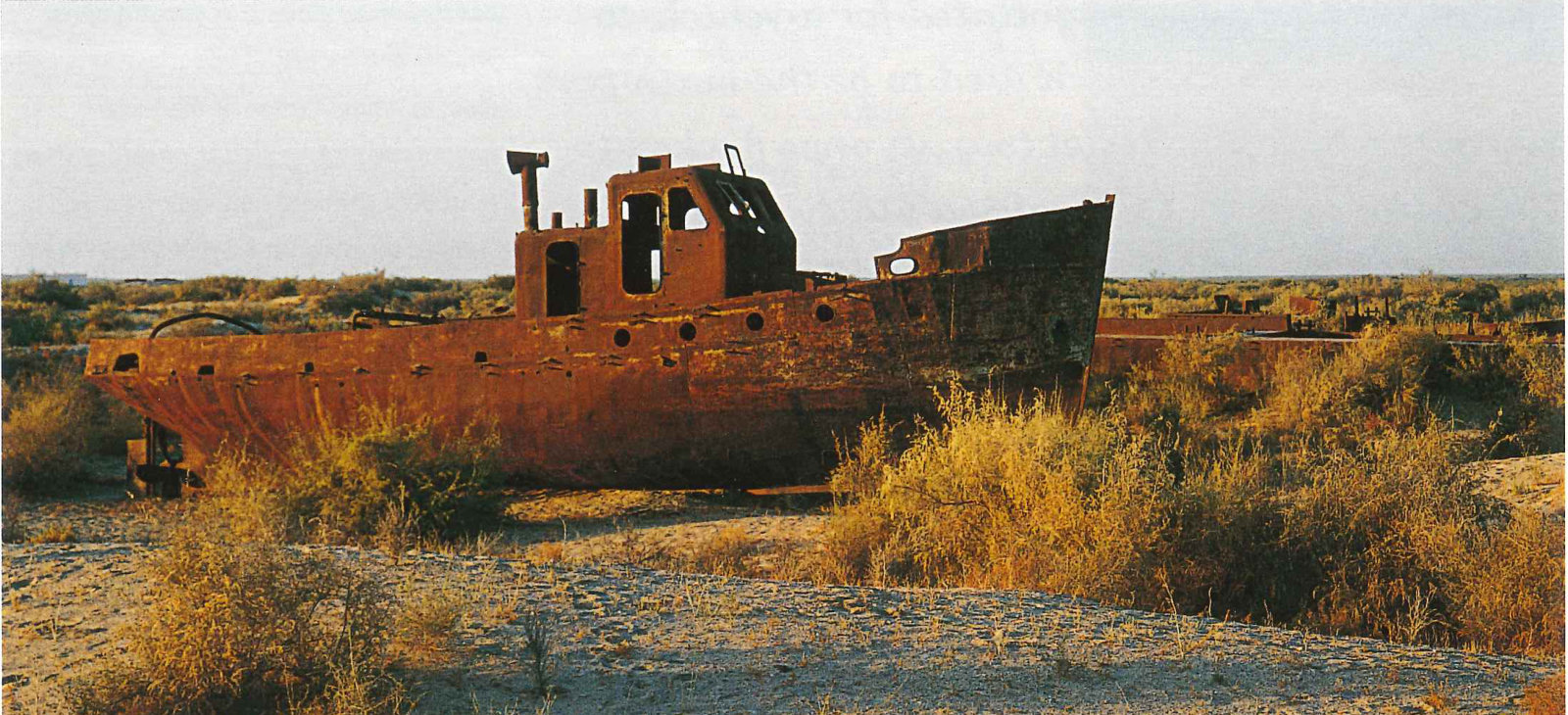
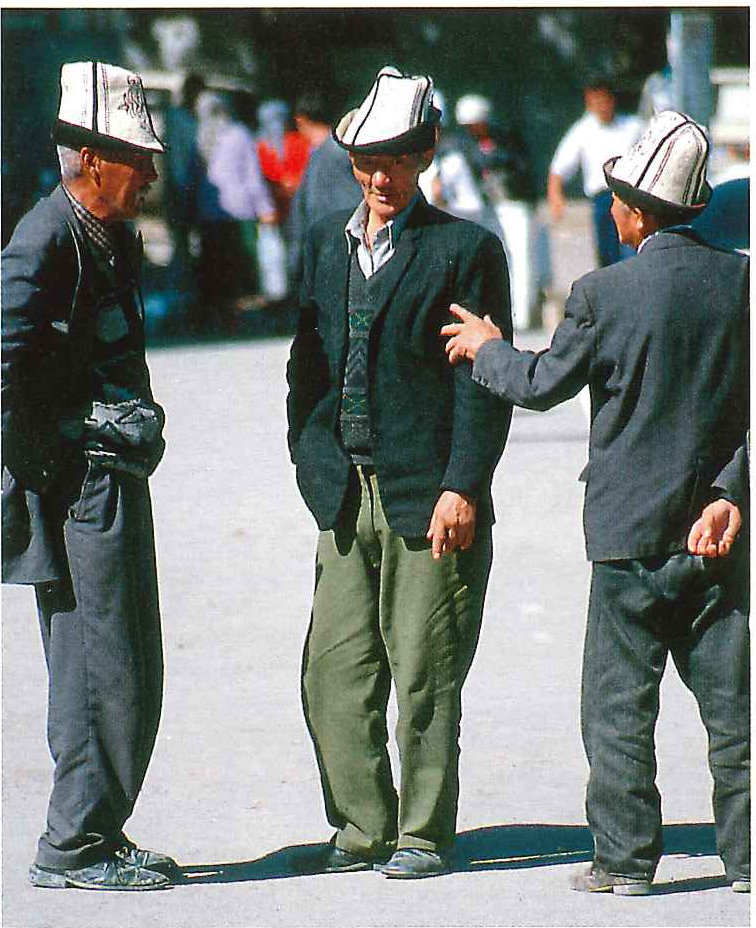
After we reached Bishkek we arranged for a driver to take us for a few days to Song Kul, an isolated lake at more than 3000 metres in the centre of Kyrgyzstan. Our driver was an ethnic Russian who spoke English. I asked him if in his assessment the collapse of the USSR and the demise of communism was a good or a bad thing. He replied that while that was a complicated question, his view is that the situation for the majority of the population had become significantly worse over the past decade. Kyrgyzstan is mountainous and the road journey was quite spectacular. The route took us through Khochkor where we arranged through local Kyrgyz contacts to stay with a local family at a yurt next to Song Kul. We climbed over a 3600-metre pass, where we could see herds of yaks next to the lake. Through my binoculars, I was able to discern perhaps two dozen yurts scattered distantly along the edge of the lake. The Kyrgyz people in this area are nomadic, tending their animals (predominantly sheep, goats and yaks) in the high valley during the summer and autumn, then descending to the Khochkor area in winter and spring. The dry rounded hills with a thin layer of snow on the peaks and razor sharp clarity of air was typical of the Tibetan plateau. Temperatures at that altitude varied dramatically from day to night. Temperatures were comfortable in the sun, usually around +15 to +20 during the day, but rapidly dropped to well below freezing as soon as the sun slipped below the hills. Our Kyrgyz hostess served us khoumis, a fermented alcoholic beverage made from yaks’ milk. It tasted slightly grainy, but was otherwise delicious. listed in our Lonely Planet guide. The first, across from the bus station, was closed for renovations. The second was the Hotel Tashkent. The hotel represented a fascinating example of just how far an old Soviet hotel could decline before the building totally collapses. There was no running water at all in the hotel, various wires dangled down from the ceiling, my room had a shattered window and there was a fairly thick coating of dust everywhere. Only a handful of the two hundred or so rooms appeared to be used at all, so we had been given the best of what was left. One of the two elevators was broken and the other taking us up to our rooms on the tenth floor was just on the verge. We realized if the tiny elevator actually got stuck again, probably nobody would bother trying to rescue us for the next few days. Most of the hotel was empty, save for a few drunks boisterously arguing and occasionally breaking things on the floor below us. And so I slept soundly through The following day we negotiated for a vehicle to drive us to Moynaq, which used to be the main port city of the Aral Sea. Soviet tourists once flocked to Moynag to swim in the Aral Sea’s salty waters, famed for healing skin diseases, and to sunbathe on pristine beaches. Driving into the edge of the town you can see the welcome sign to Moynag with images of water and fish. From being a showpiece of Soviet central planning in the 1950s and 196os, Moynaq is now a shattered shell in a backwater of Uzbekistan. The Aral Sea has shrunk by close to 75 percent of its volume and by half of its surface area since 1960, as a direct result of the Soviet government’s diversion of its source rivers to irrigate Central Asia’s cotton fields. Perhaps the greatest tragedy is that the Soviet planners knew that the diversion would result in the drastic reduction in the size of the Aral Sea. The edge of the sea is now over 70 kilometres to the north of Moynaq. The Soviet Union continued to dig a channel to allow the boats access to the shrinking sea before finally giving up completely in 1982. From a monument on the edge of town, where citizens used to sit on benches and watch the fishing ships head out along the sea, you look over sand dunes and abandoned hulks. Most of the Jactories have closed and many houses have been abandoned to the advancing sand. Scores of old metal ships are rusting away in the sands around the town. Rates of environmentally related diseases are among the highest in the world, as are those for tuberculosis. Ironically, the yields of cotton in the area, the reason for diverting water away from the Aral Sea, are declining owing to increasing salinity and degraded soil.
Later we continued to the famed Silk Road cities of Khiva, Bukhara and Samarkand. Khiva is the most well preserved, while Bukhara appears to be the most authentically lived in. Samarkand is a large Soviet city with a series of impressive Islamic monuments, in particular the Registan, which is among the most impressive architectural sights in the world. It was also the only place in Central Asia where we met other travellers, and even there the numbers were small.
The tradition of hospitality to travellers in Central Asia has historically been “mixed”. For example, Bukhara gained international notoriety when, in 1839, its leader, Emir Nasrullah Khan, imprisoned British envoy Arthur Conolly in a pit of flesh-eating vermin for failing to show him proper respect. British officer Charles Stoddart was sent to rescue Conolly but, because the Emir was upset that Stoddart was not carrying a letter signed by Queen Victoria, he was instead also thrown into the pit. In 1842 the two men were forced to march out of their cell and dig their own graves in front of a huge crowd before being beheaded. Fortunately our reception as foreign visitors was considerably warmer and we managed to stay in pleasant private bed and breakfast accommodations for between US$7 and US$25 per night. Samarkand, despite its evocative name, is the most modern and industrialized of the Silk Road cities in Uzbekistan. By road it is only five hours from Termez and the border with Afghanistan. We thought that a trip down through Mazar-i-Sharif to Kabul, back through the Khyber, up the Karakoram Highway to Kashgar and across the Torurgart to Naryn and Bishkek would be a nice adventure excursion, assuming things settle down a bit in the region.
Maybe next year.
View the original scanned pages →
Originally published in bout de papier, Vol. 20, No. 1 (2003) — Spring/Summer 2003 // Printemps/Été 2003, pp. 30–36. Read the rest of this issue →



